

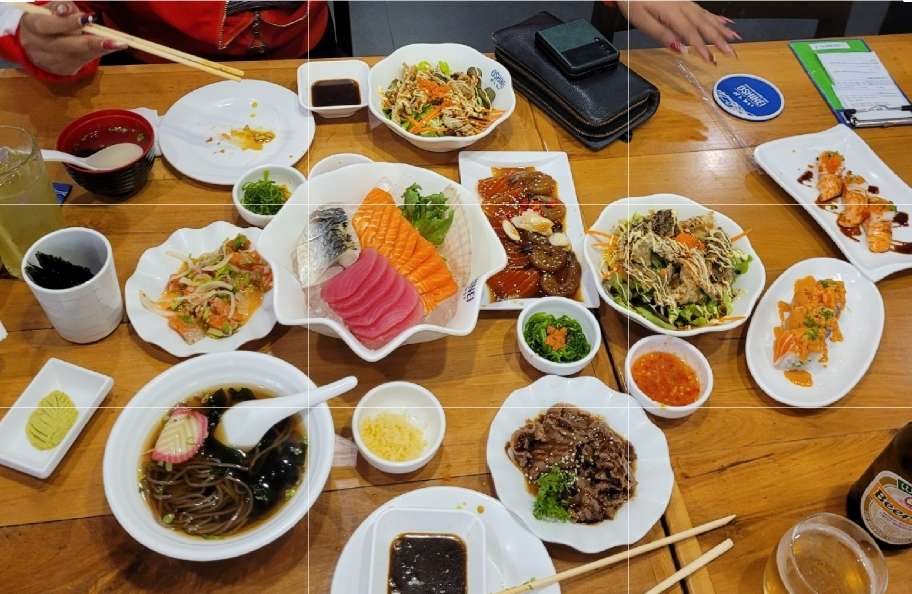
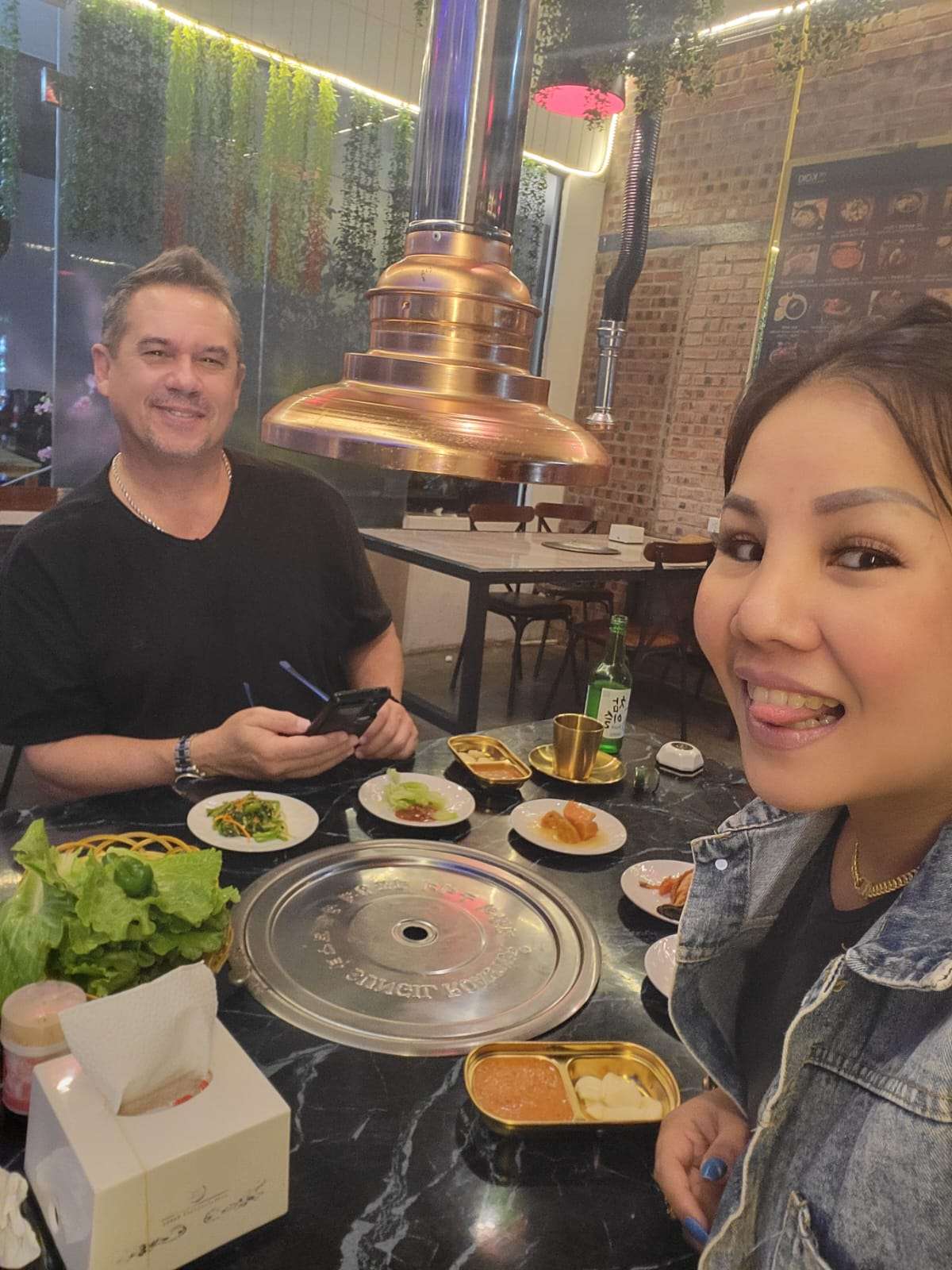
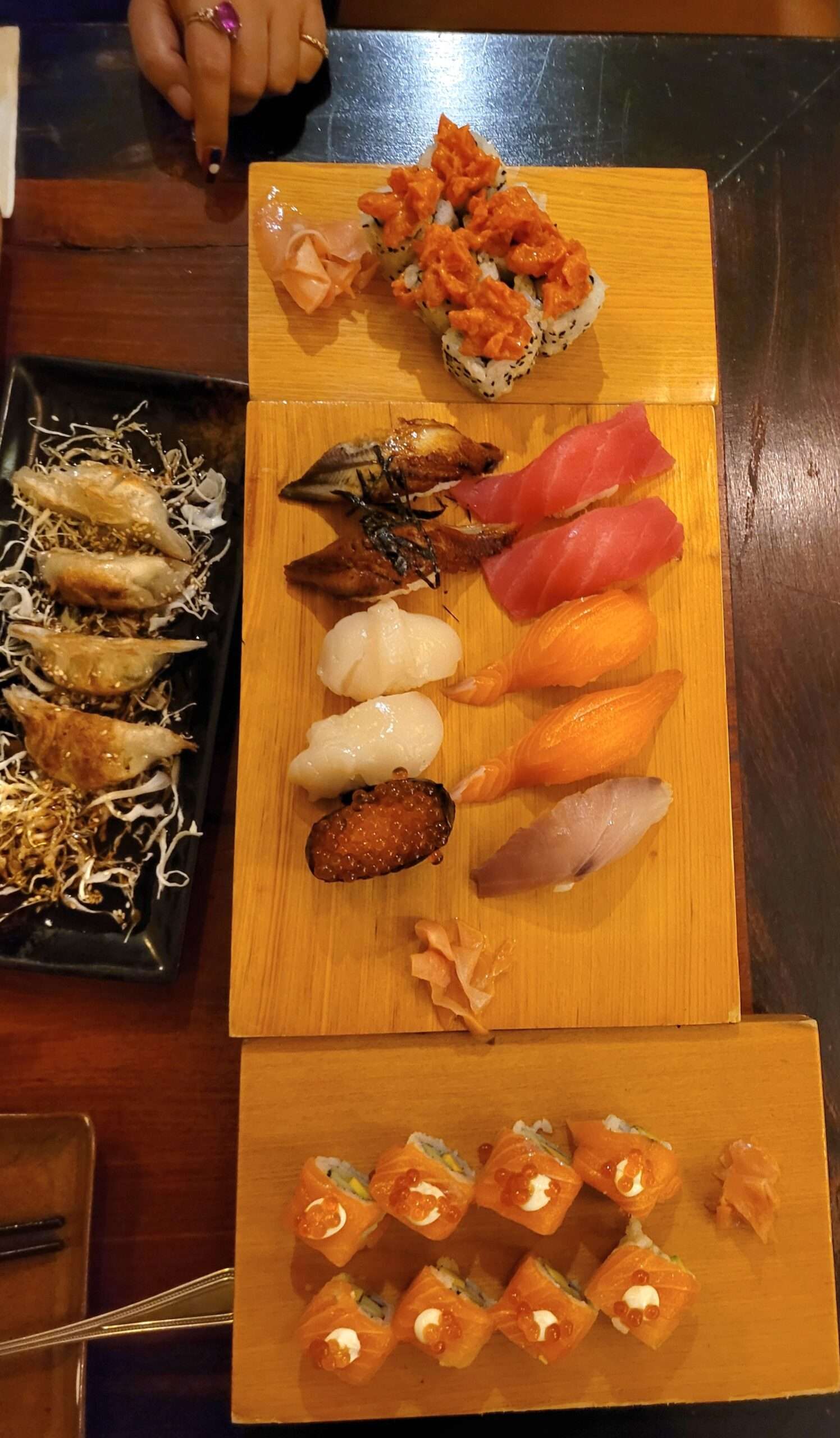
In the heart of Southeast Asia, my journey to Laos continued to unfold as a thrilling culinary adventure. Forget routine cafe meals – my taste buds craved excitement, and Laos delivered with a smorgasbord of exquisite dining experiences!
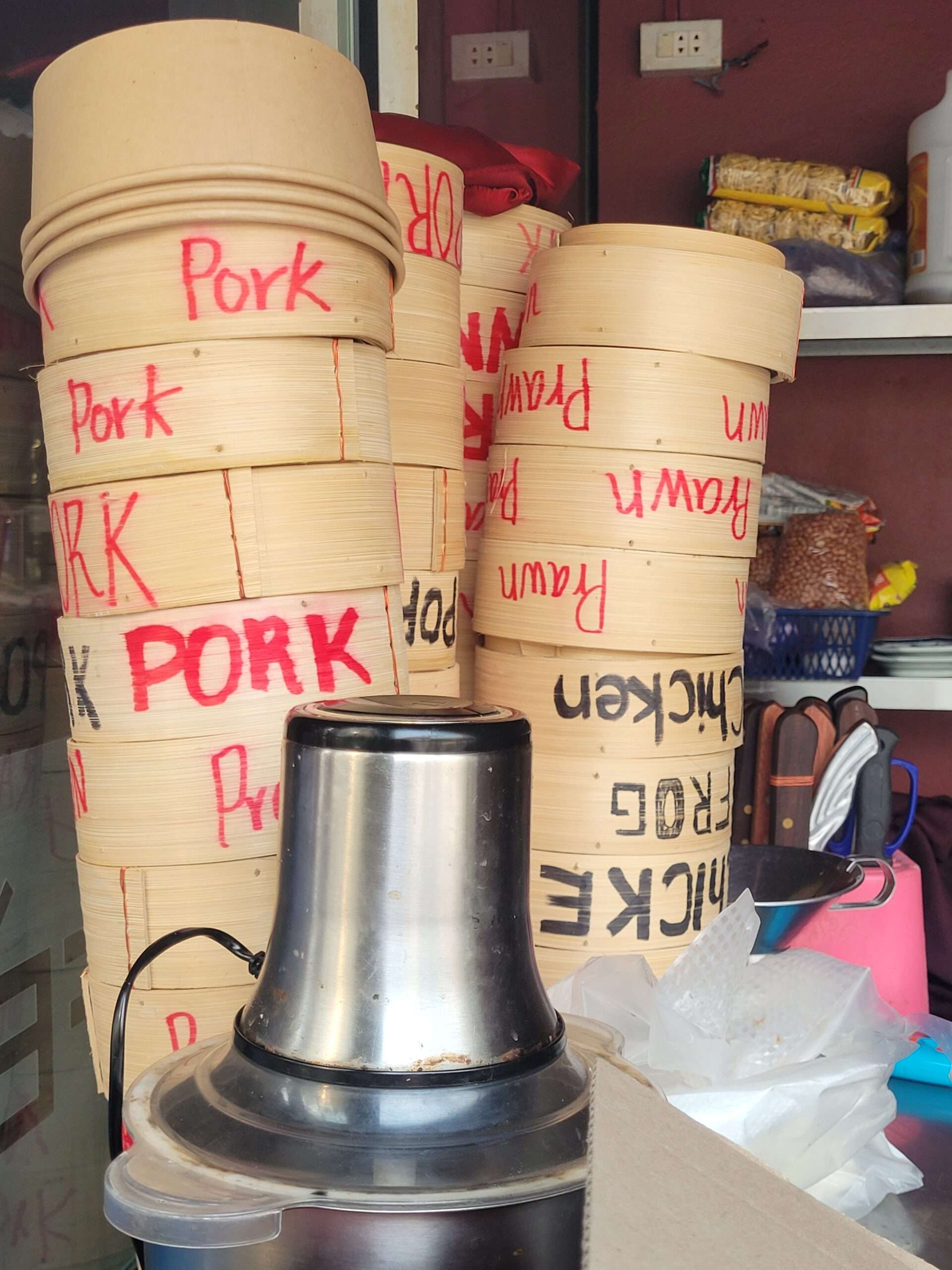
From savoring delectable dishes in classy French and European venues to exploring the charm of quaint coffee shops, each meal was a chapter in Laos’ vibrant food saga. Sushi, Japanese cuisine, dim sum, and Korean BBQ added an international touch.
Exploring Laos After Dark
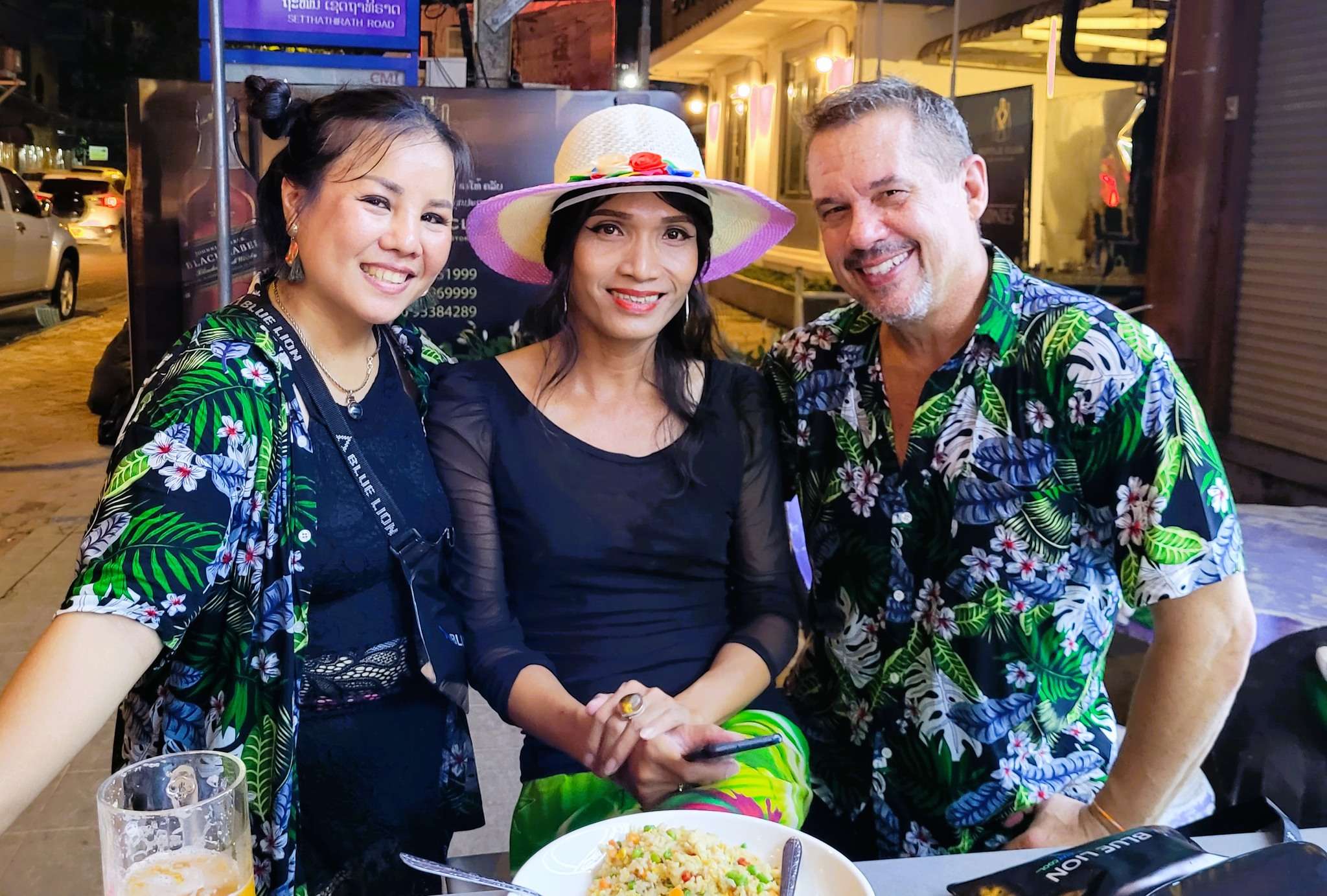
As the sun dipped below the horizon, I found myself navigating through evening markets, where a symphony of aromas filled the air.
Dozens of food stalls beckoned, showcasing the diversity of Laos’ gastronomic wonders. From bowls brimming with tantalizing noodle soup to local delicacies that ignited my taste buds, every bite told a story of Laos’ rich culinary heritage.
An Invitation to a Lao Wedding
The adventure didn’t stop at the dining table – Laos unfolded its cultural tapestry in spectacular ways.
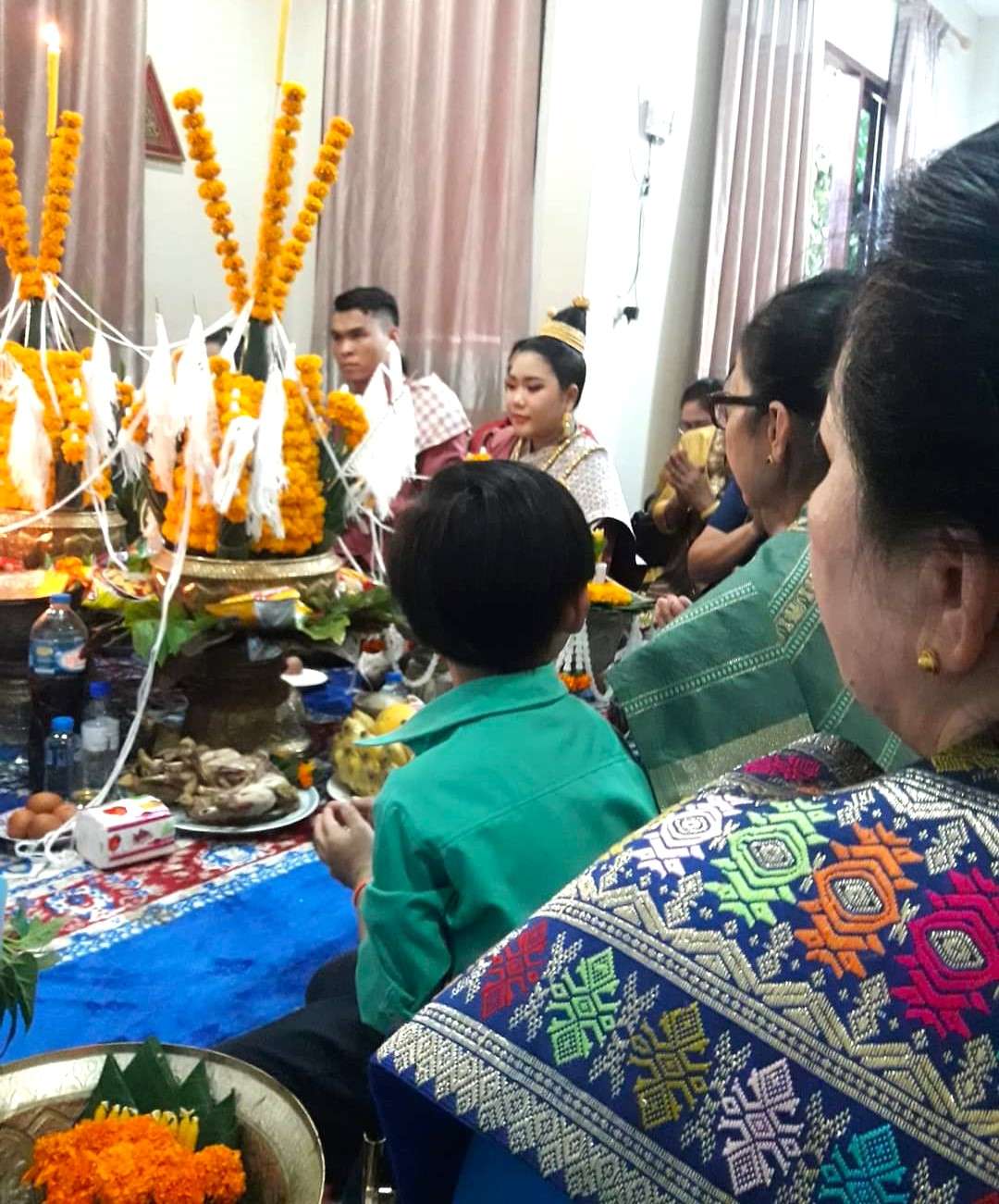
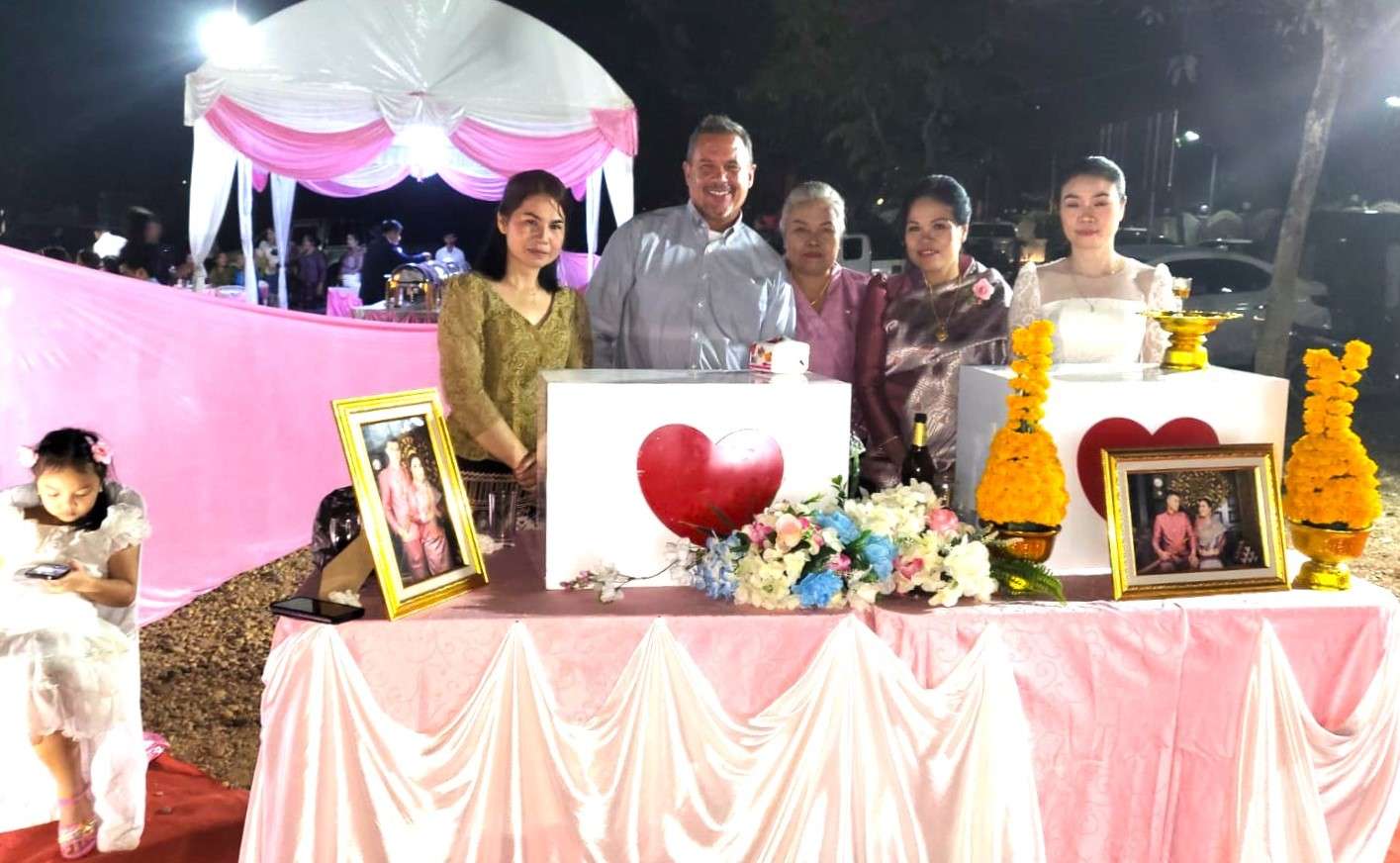
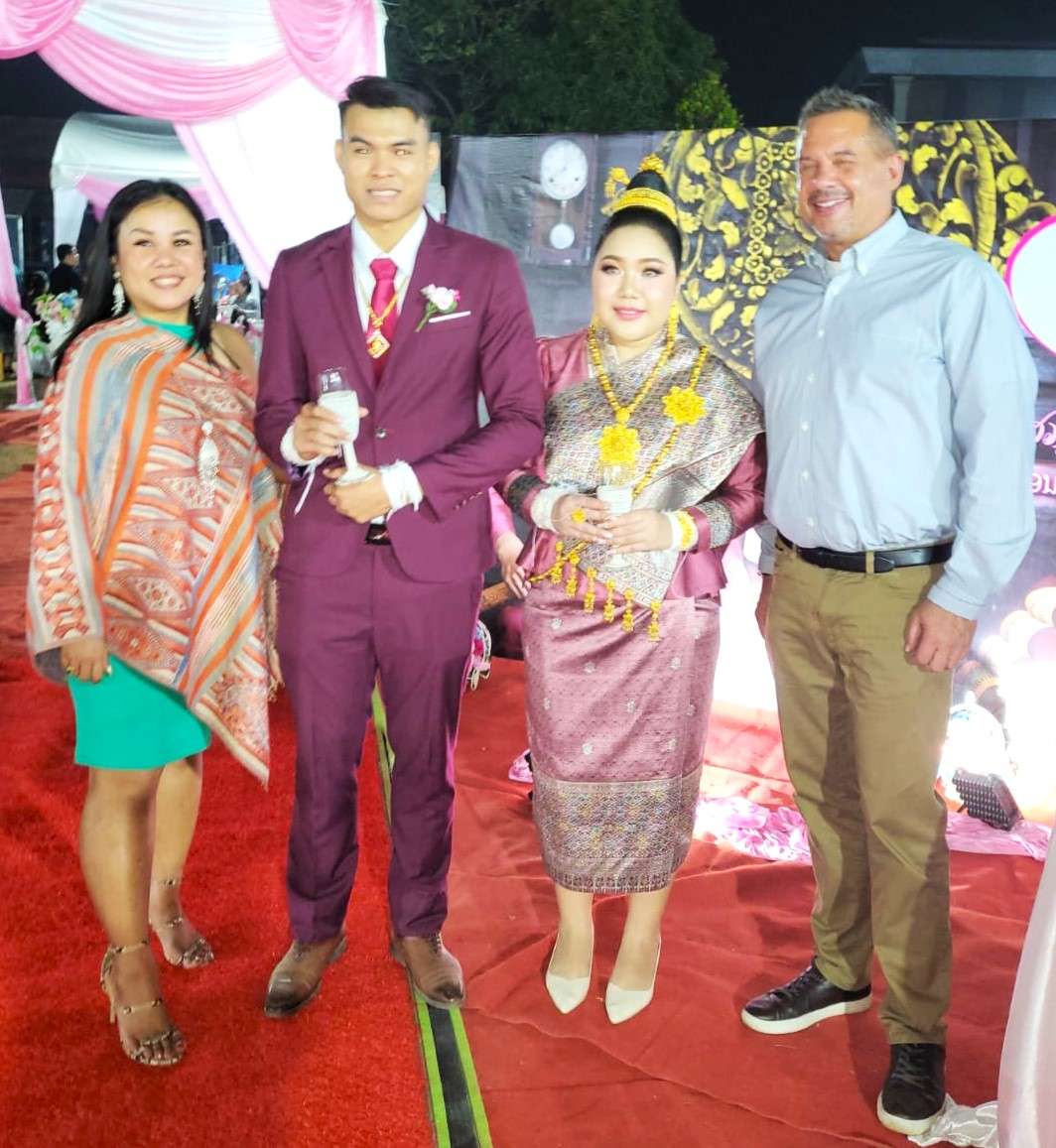
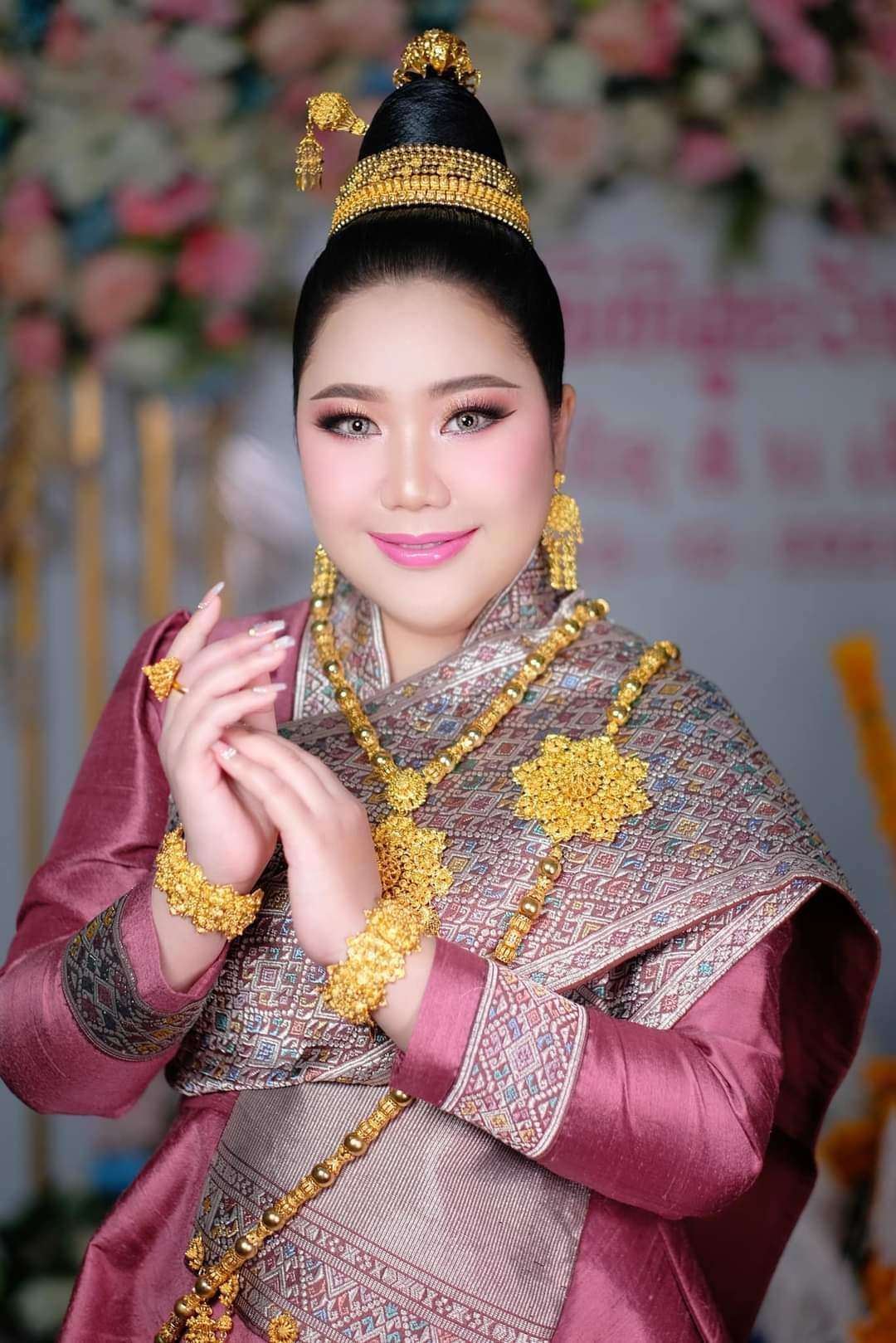
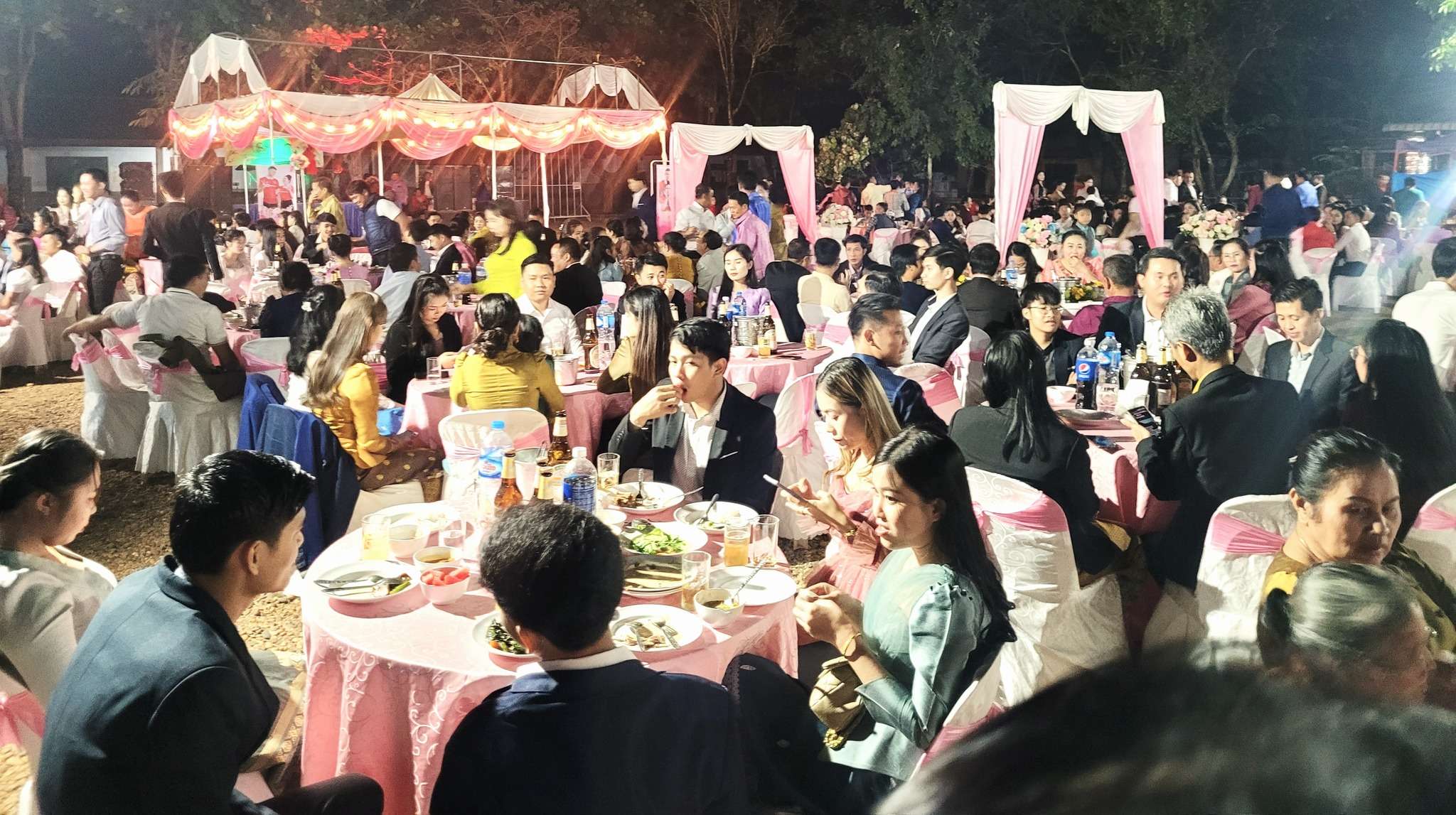
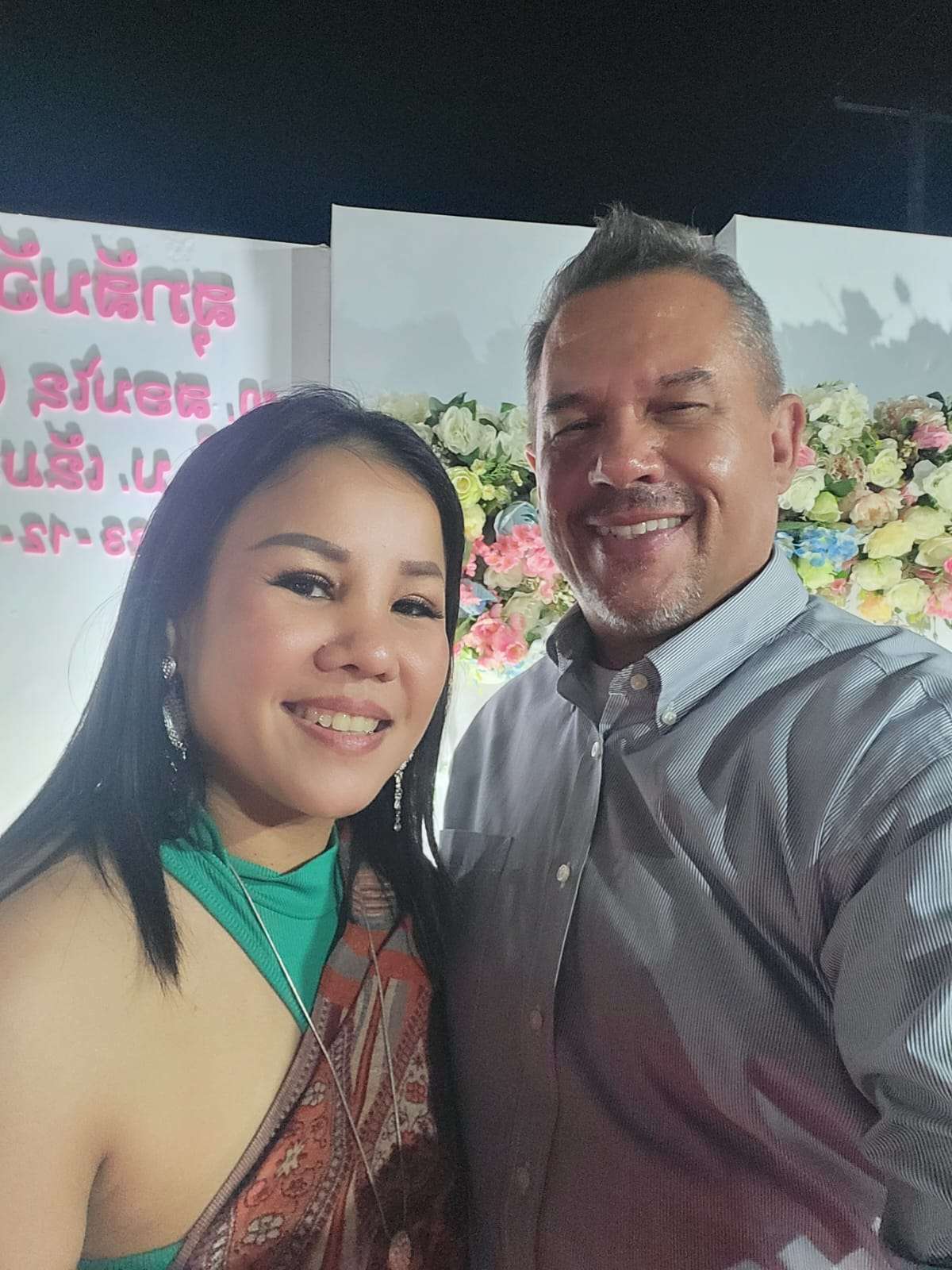
I found myself immersed in a traditional Laotian wedding, an exclusive invitation extended to me as the lone Non-Laotian attendee.
The celebration resonated with live music, and the lively atmosphere was electrifying with several hundred jubilant participants.
Discovering the Spiritual Side of Laos
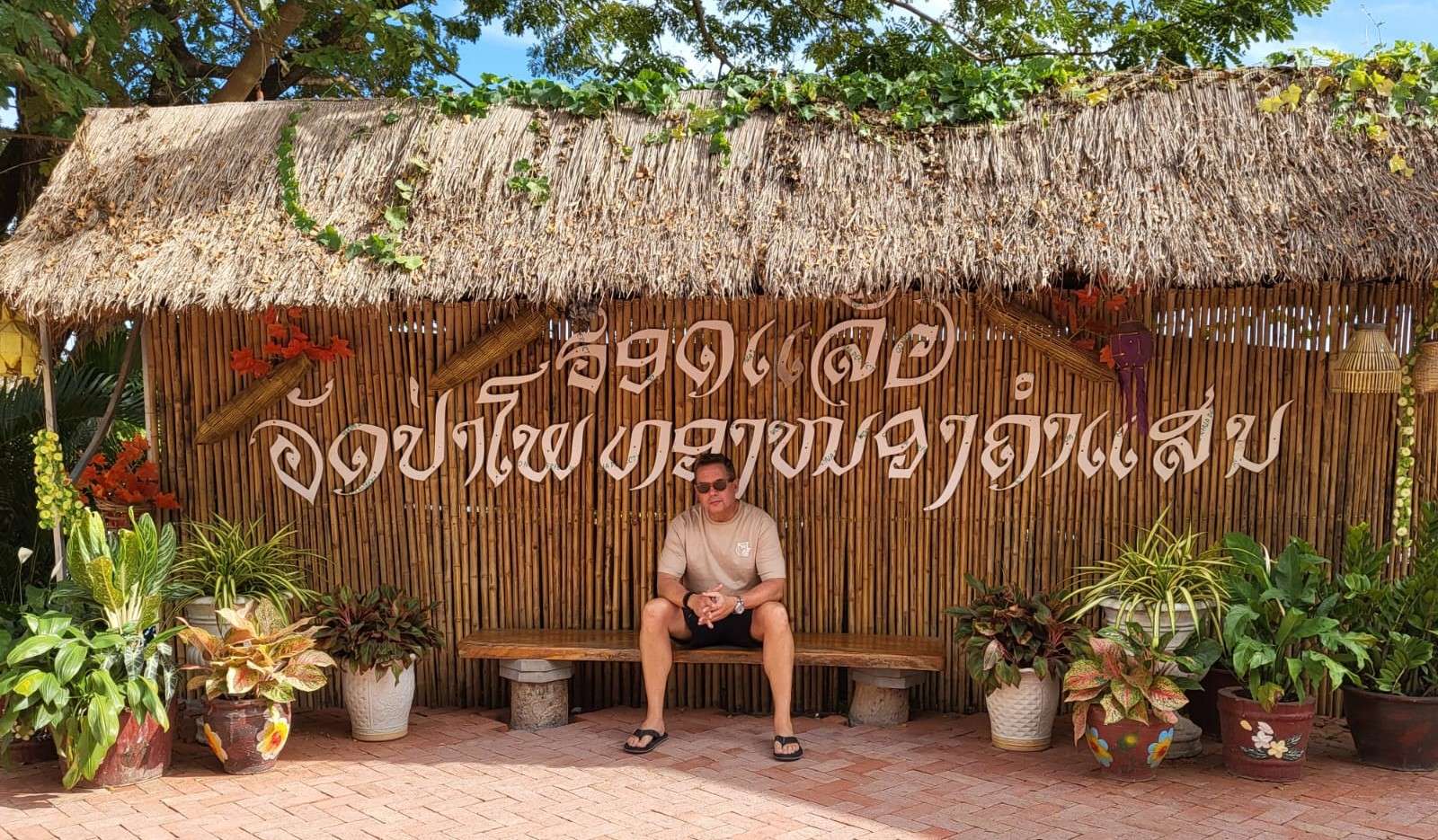
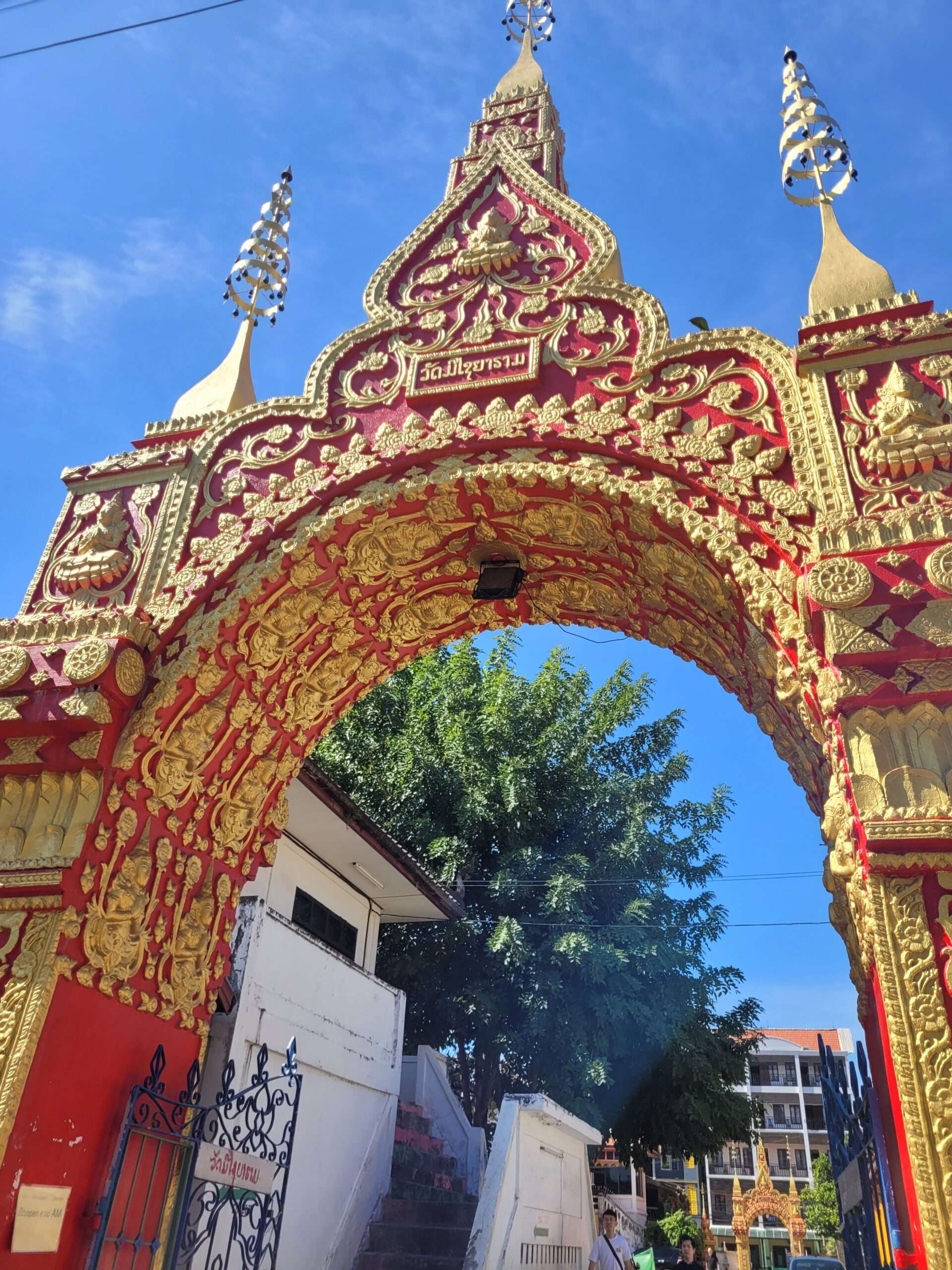
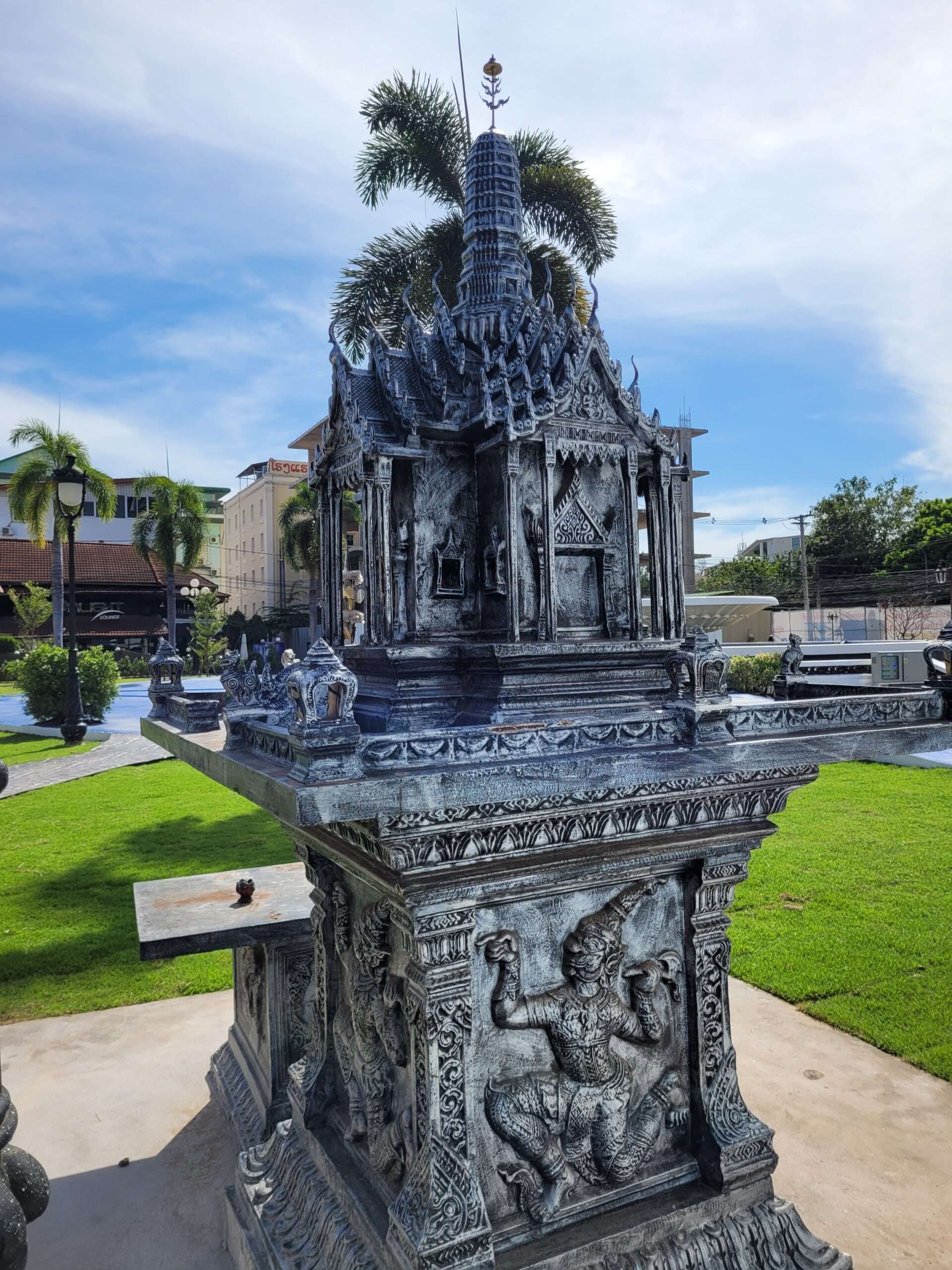
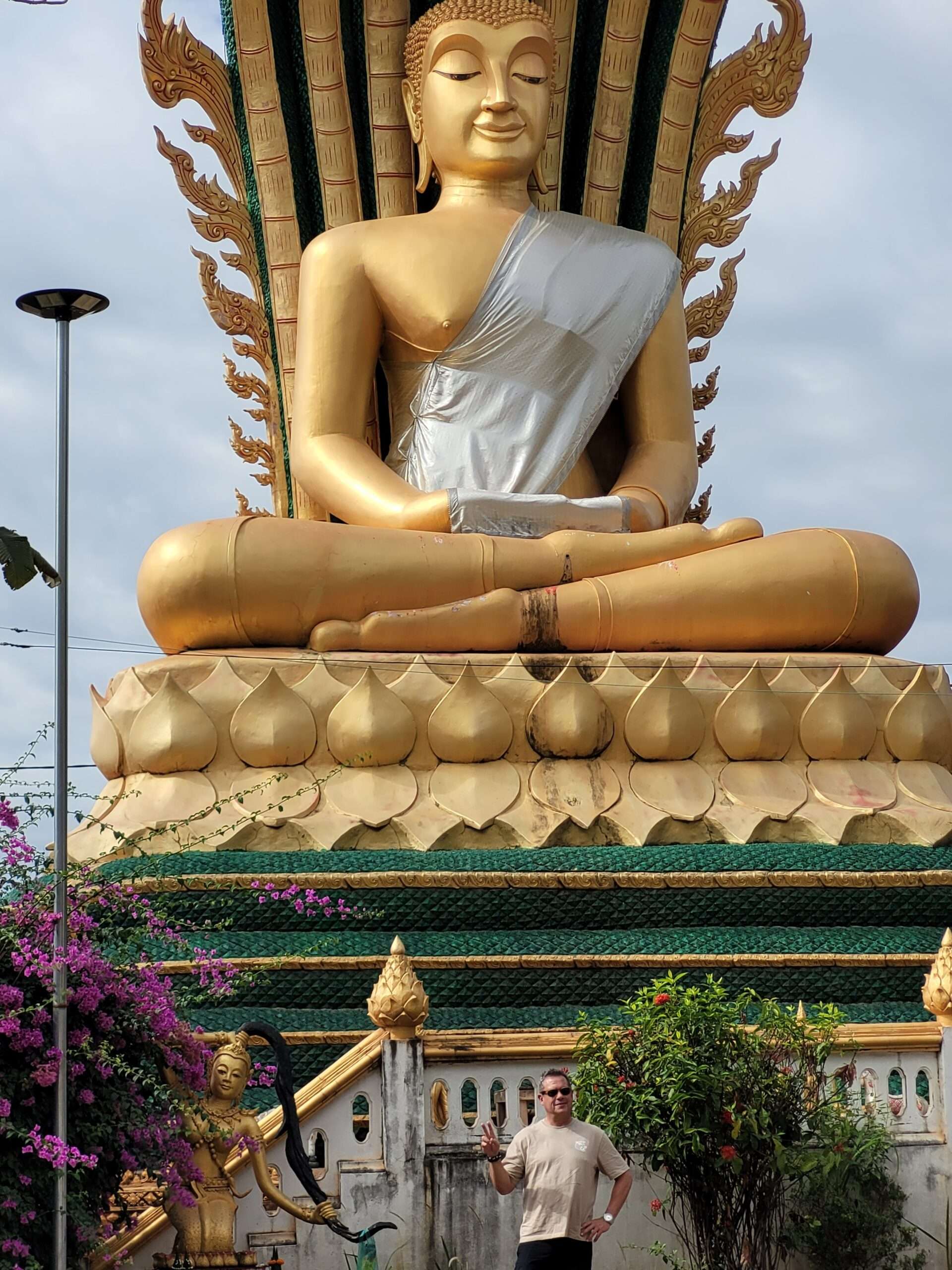
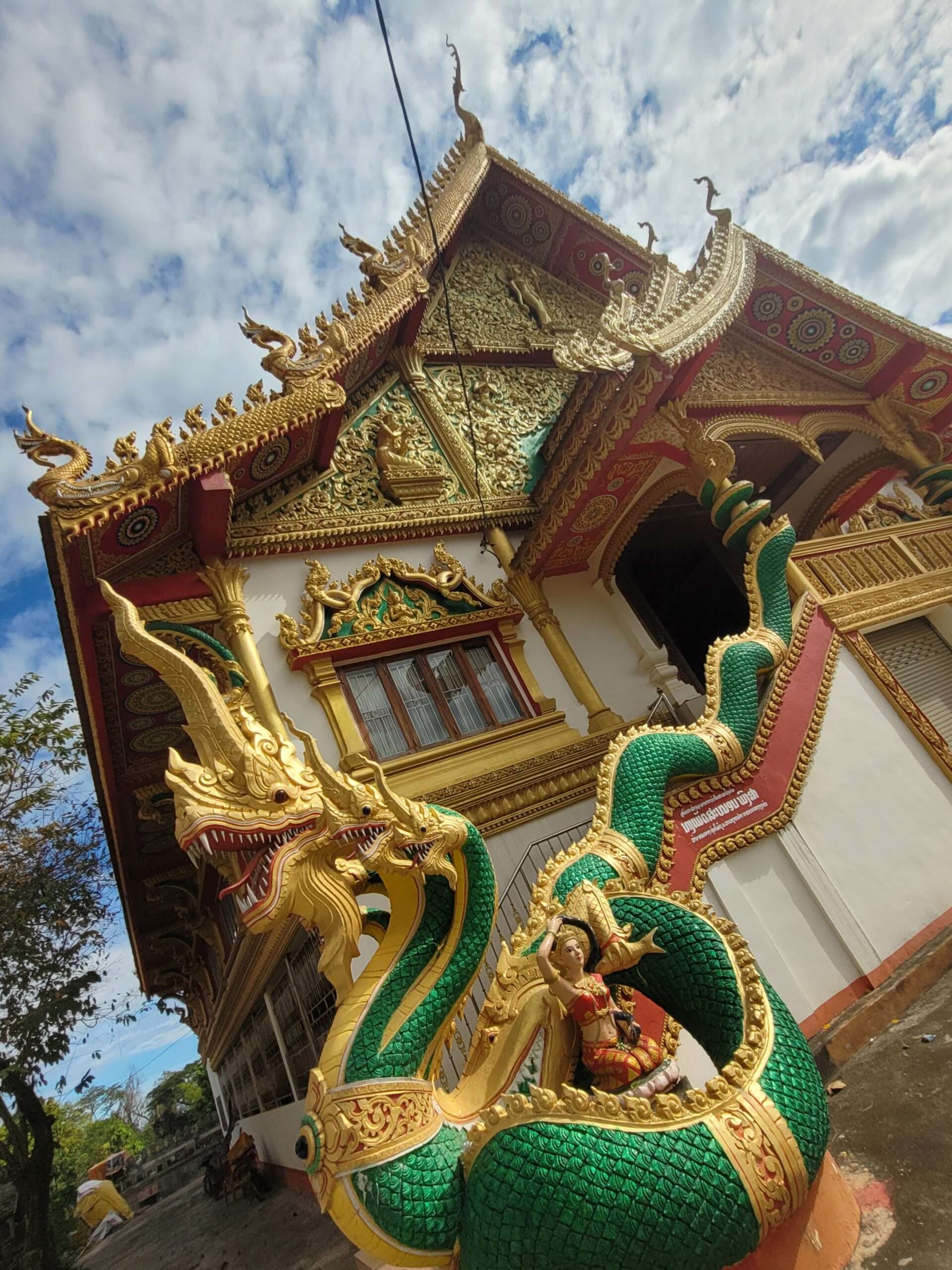
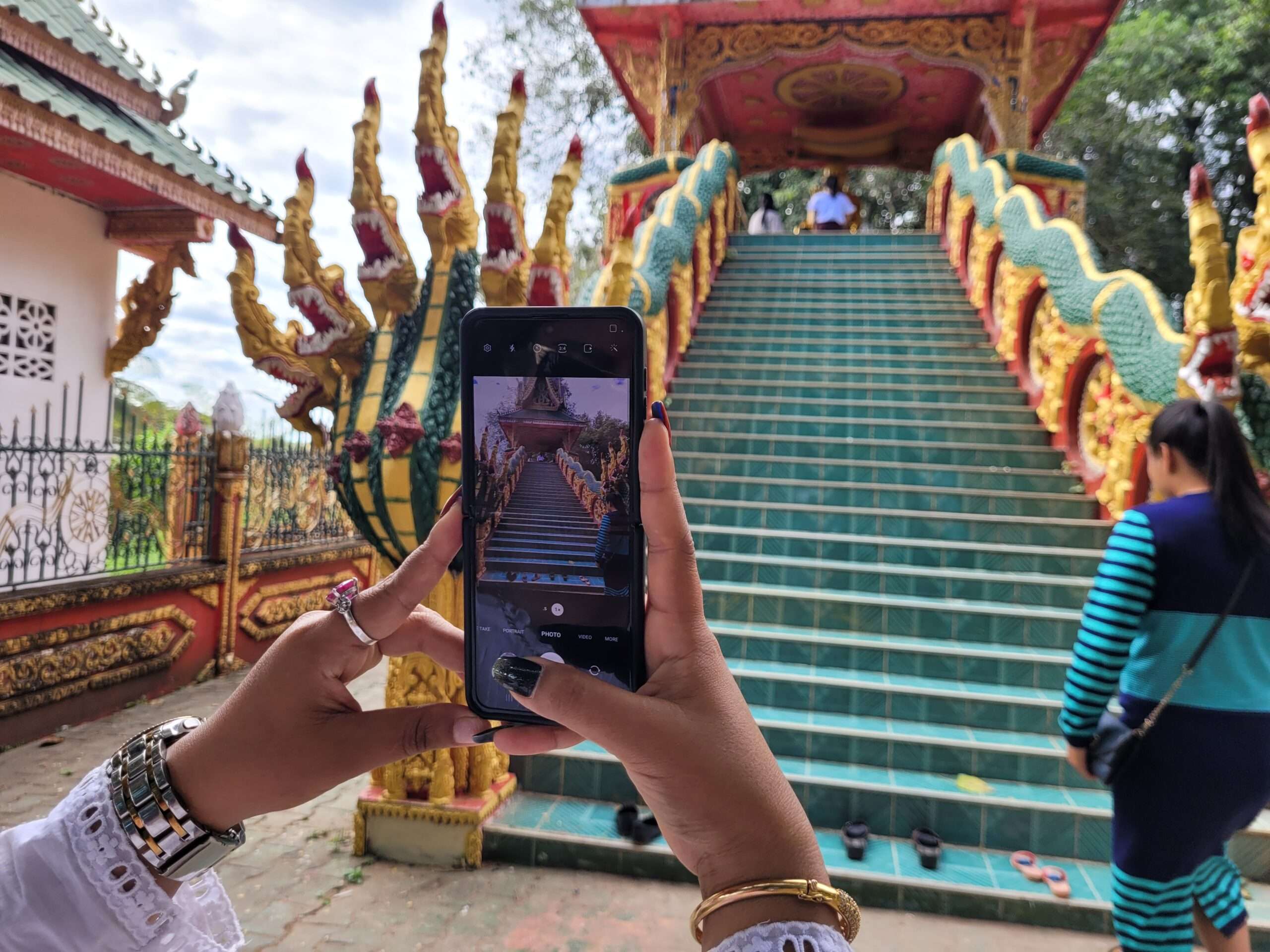
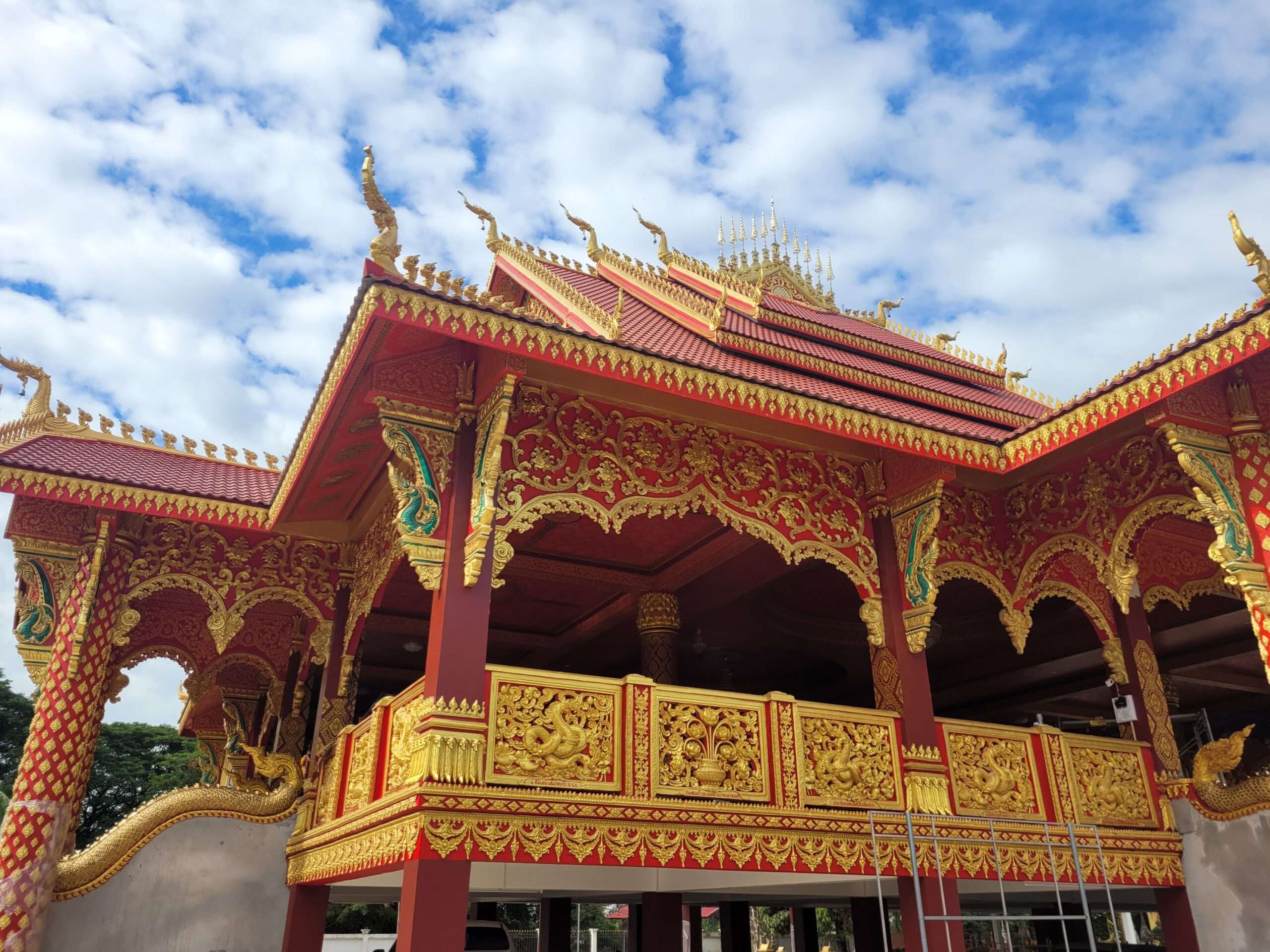
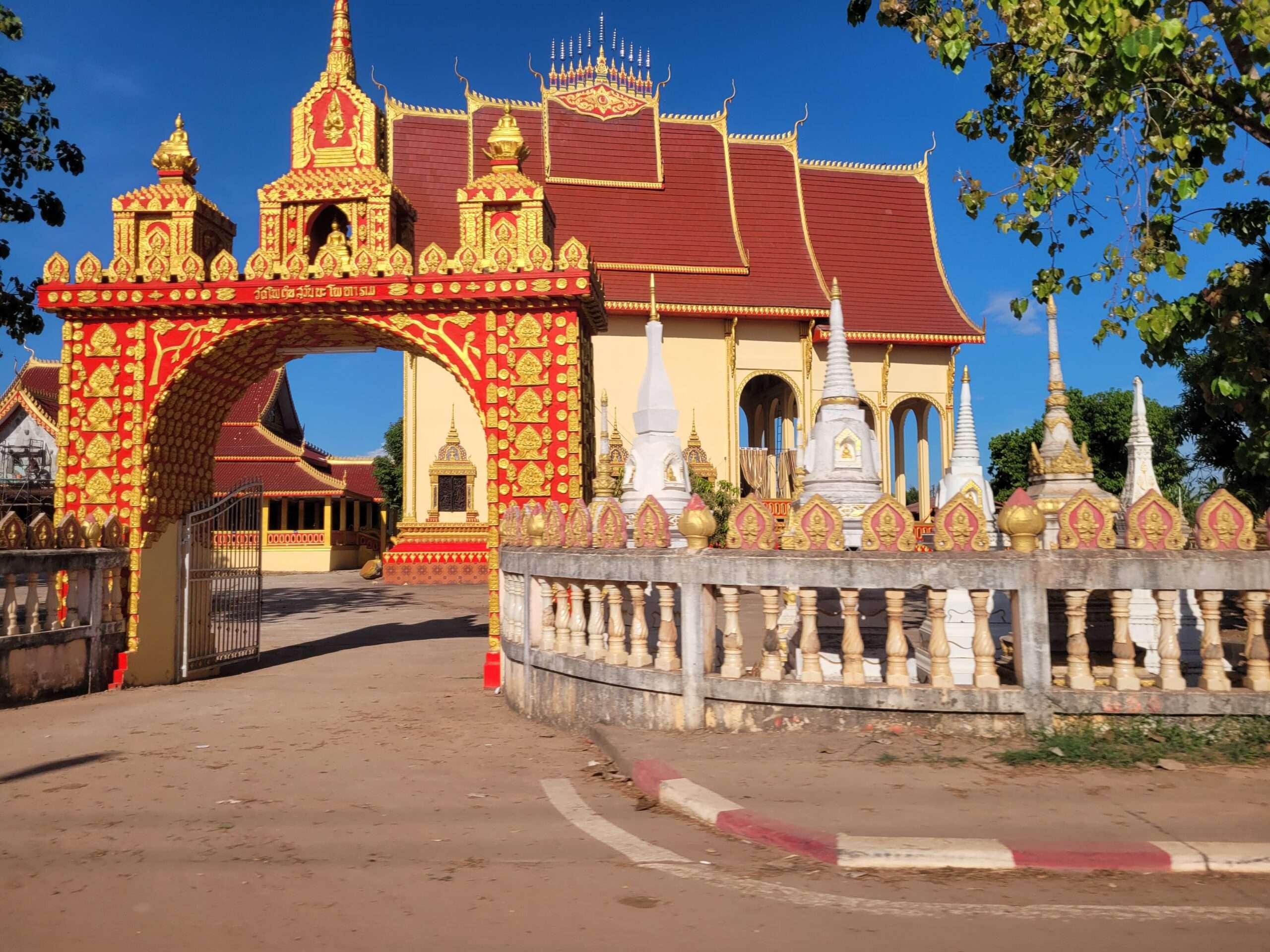
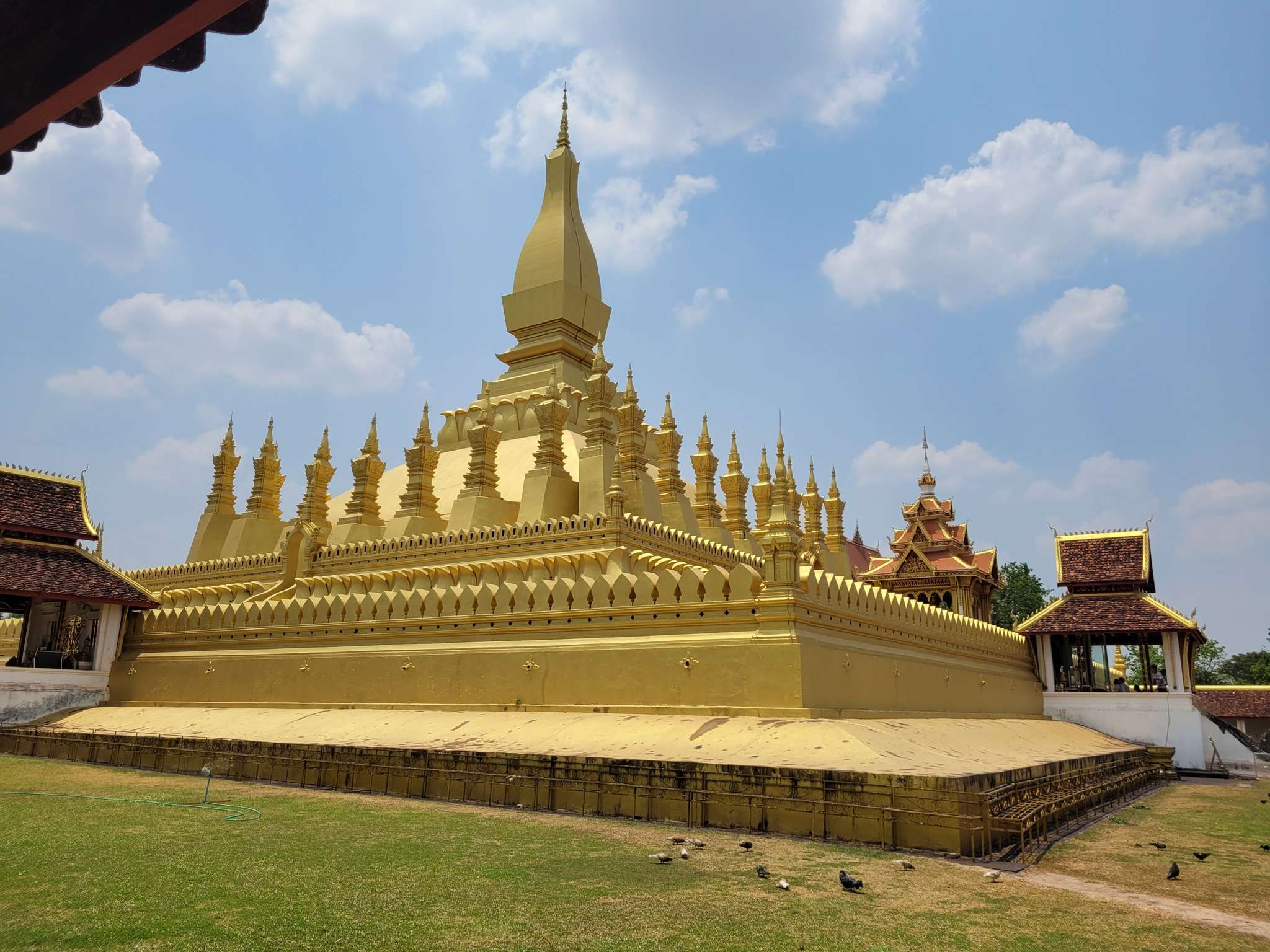
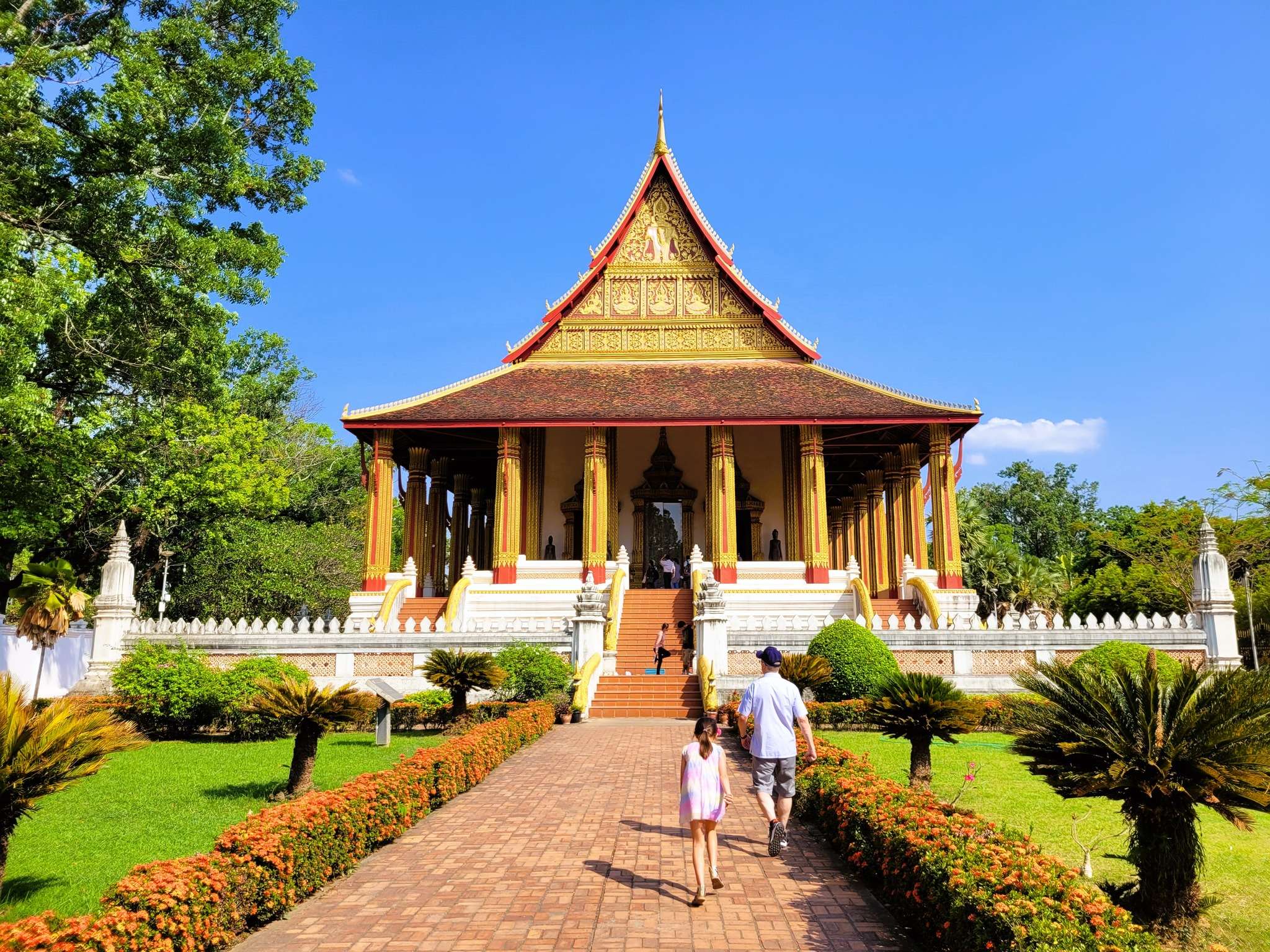
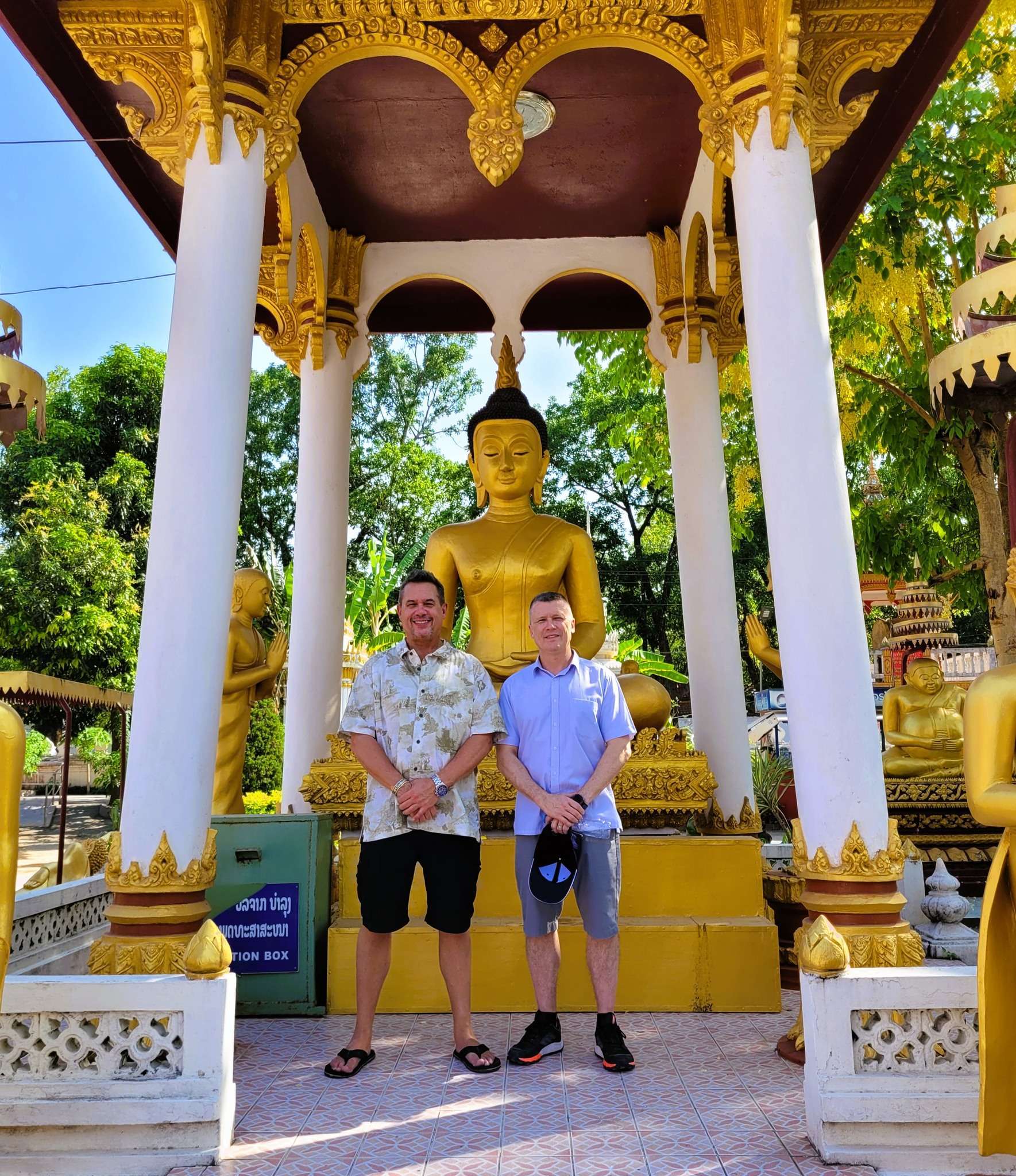
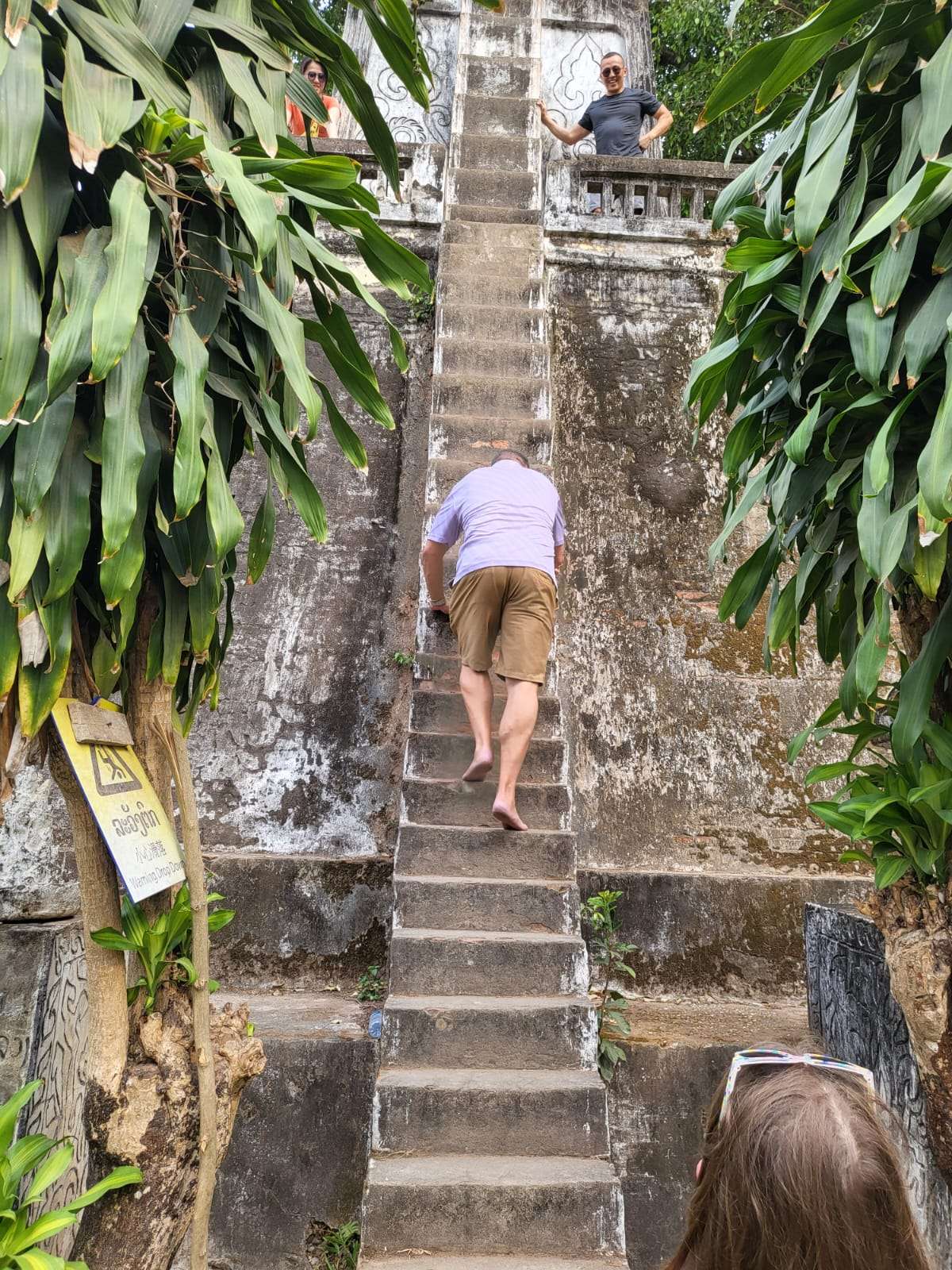
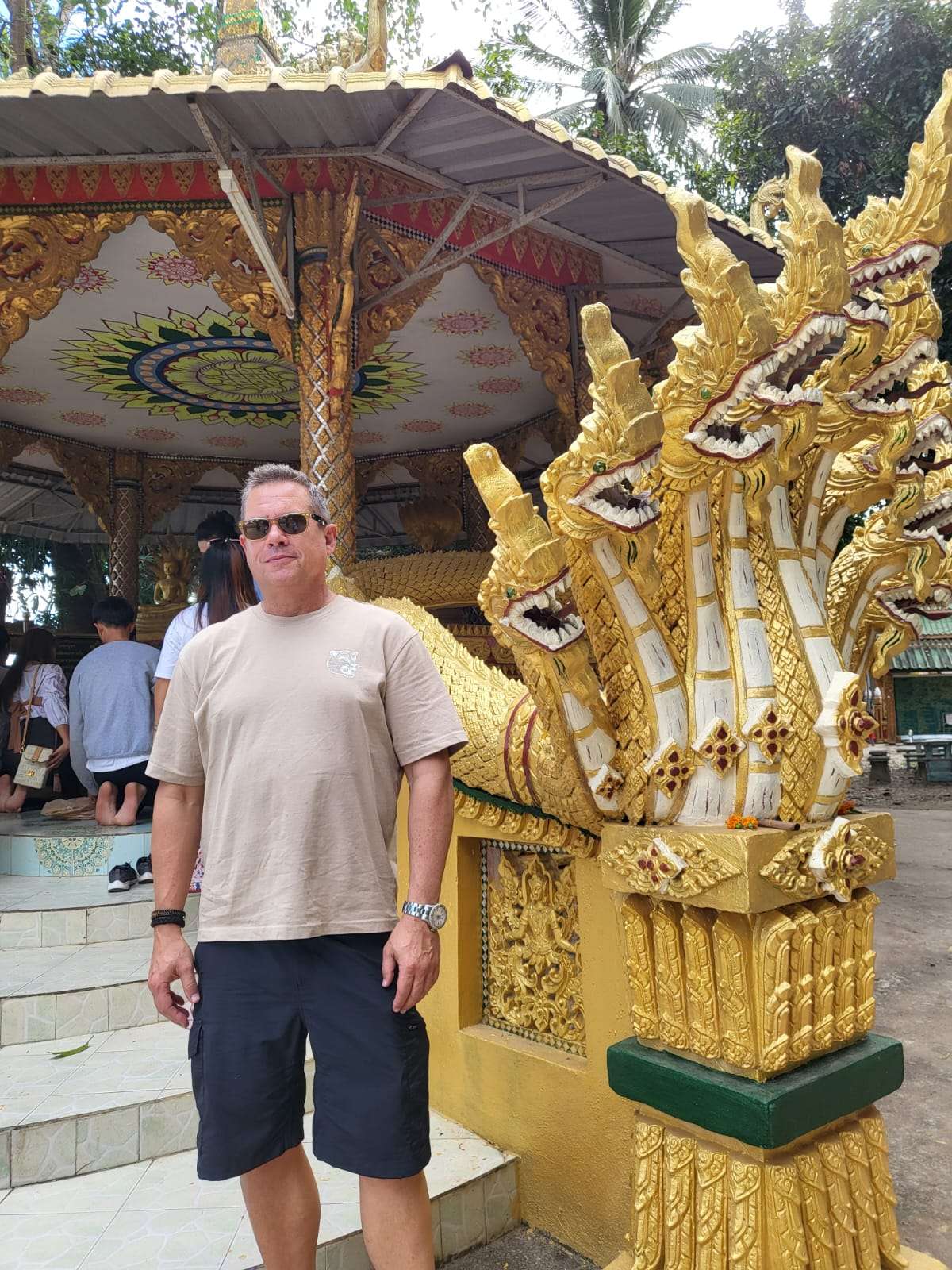
Living in close proximity to ancient Buddhist temples, untouched jungles, and well-preserved French-colonial architecture, Vientiane emerged as a Southeast Asian gem with a tapestry of historic sites waiting to be explored.
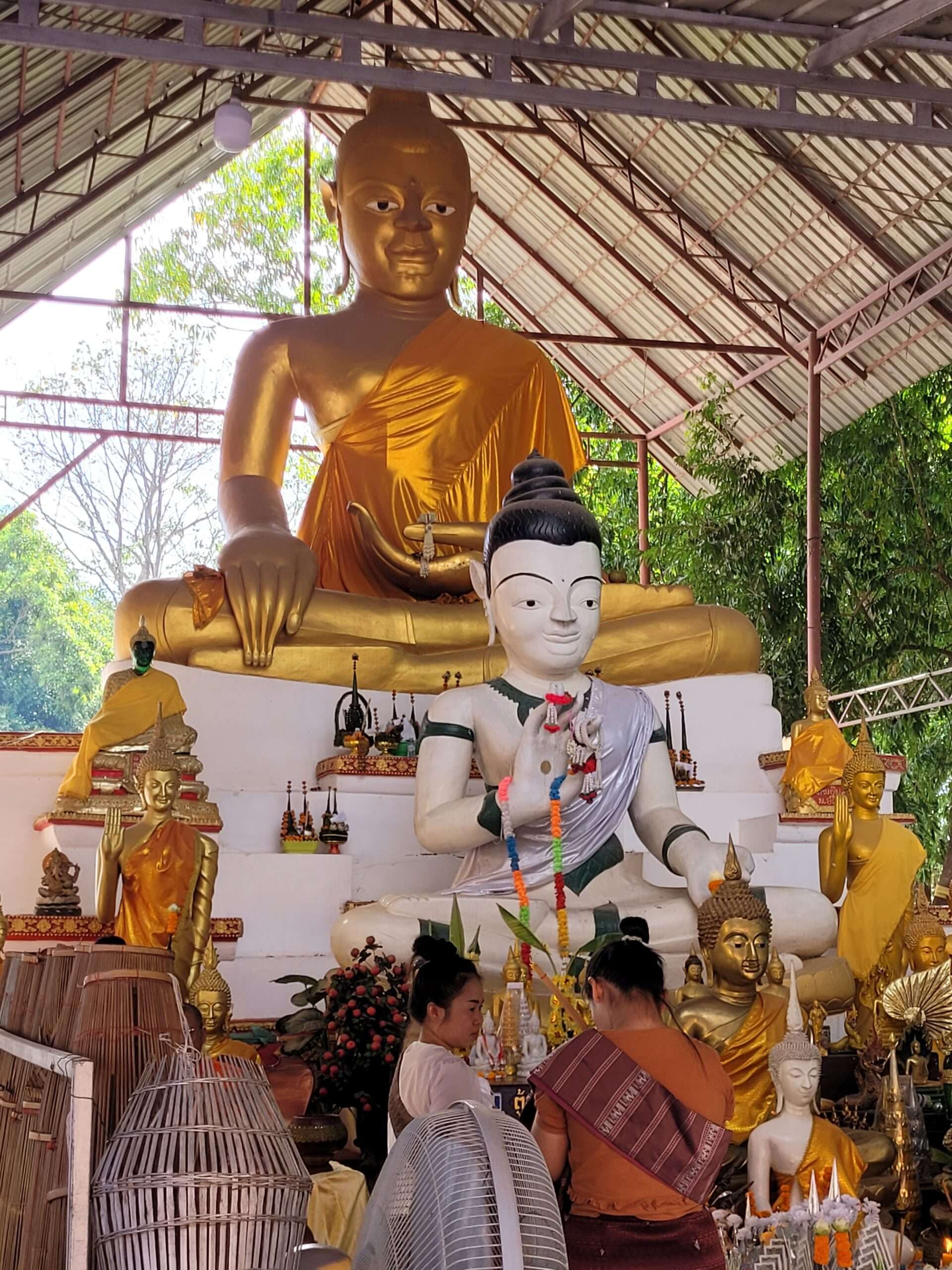
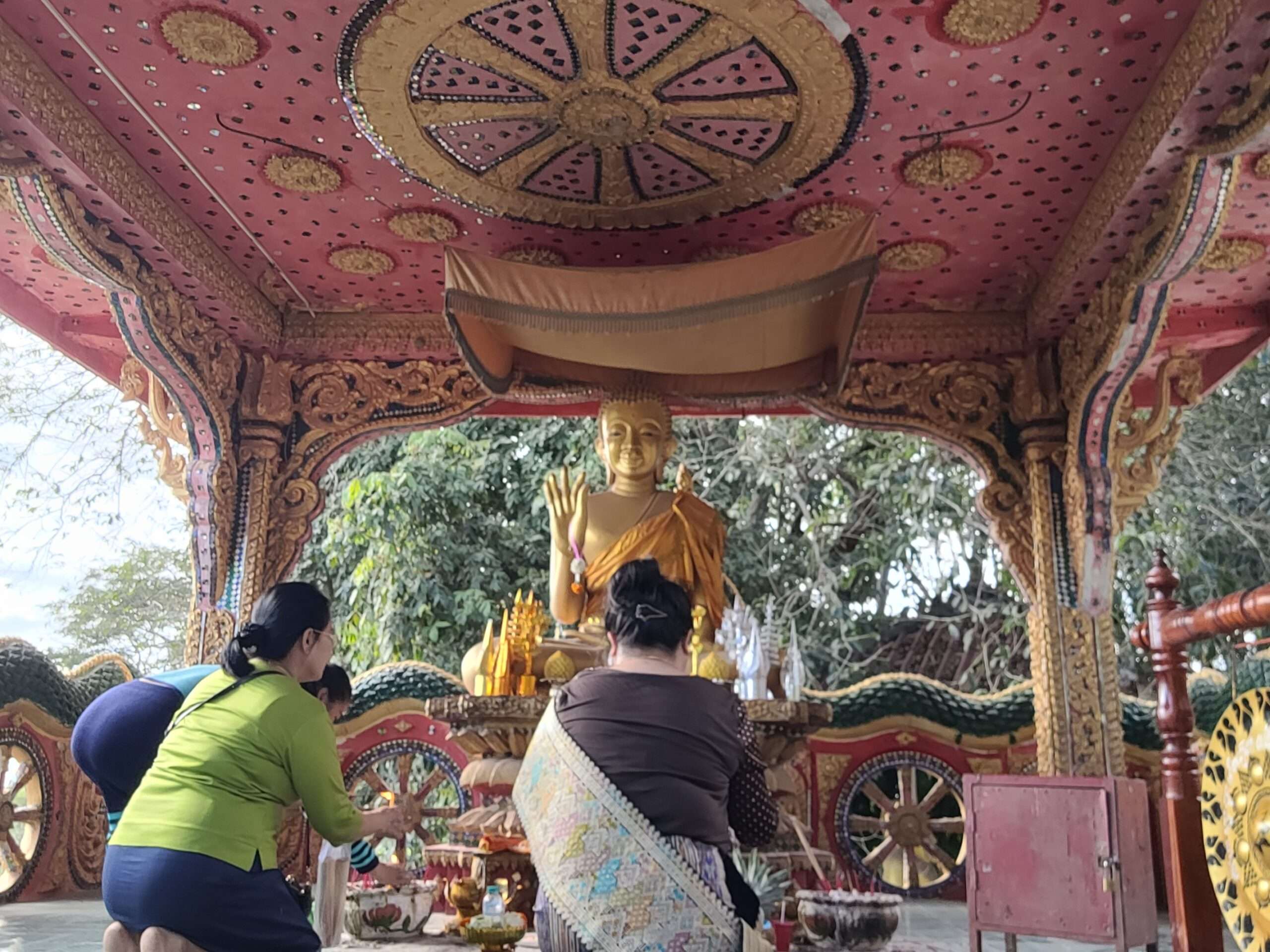
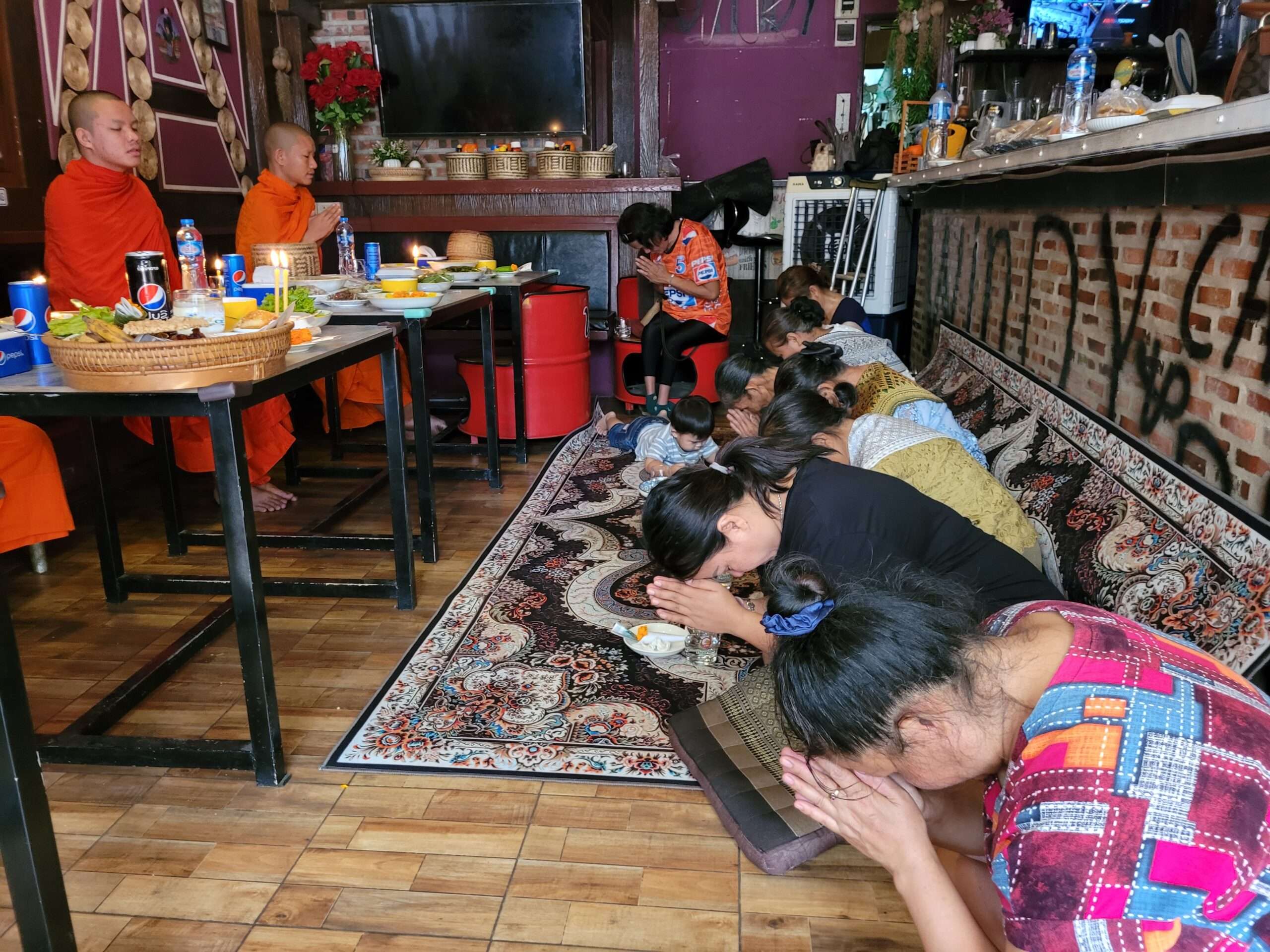
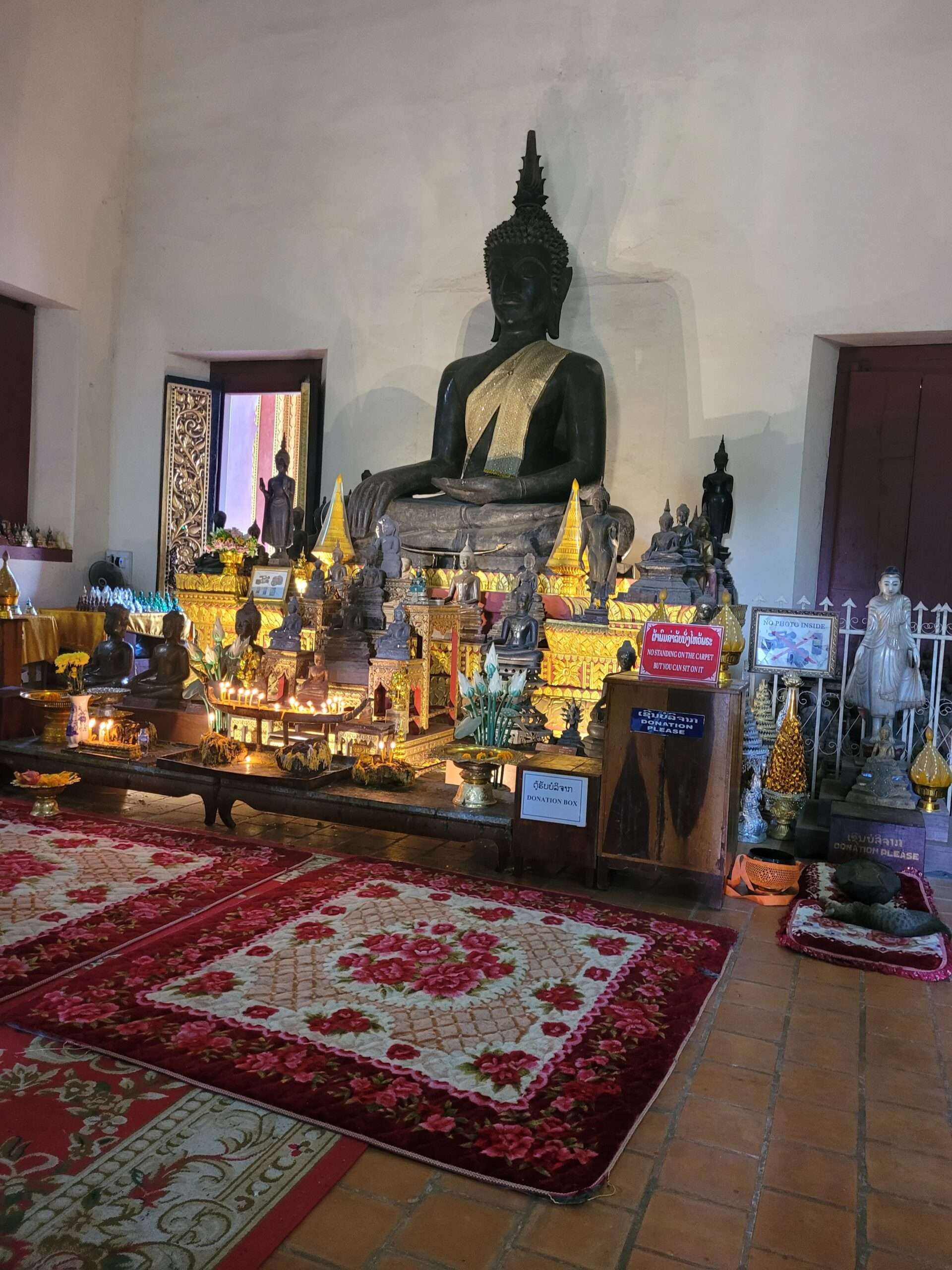
As I roamed the ancient streets, Buddhist temples stood as silent witnesses to centuries-old rituals. The locals, deeply immersed in their religious traditions, performed ceremonies that echoed through time.
From private blessings to the sacred rituals of Baci, where strings were delicately tied around wrists to usher in good luck, peace, and fortune, I was granted a glimpse into the soul of Laos.
Celebrating Lao New Year
Living through Laos’ annual New Year celebration was an unforgettable spectacle.
For three days, from April 14-16, the entire nation transformed into a canvas of joy. Water cascaded over homes, monks, Buddha images, and passersby, cleansing and rejuvenating spirits.
The tradition extended to the liberation of caged birds and other small animals, symbolizing new beginnings.
Flowers, pageants, music, and dance painted the streets, creating an enchanting mosaic of celebration.
The Dark Legacy Beneath Laos
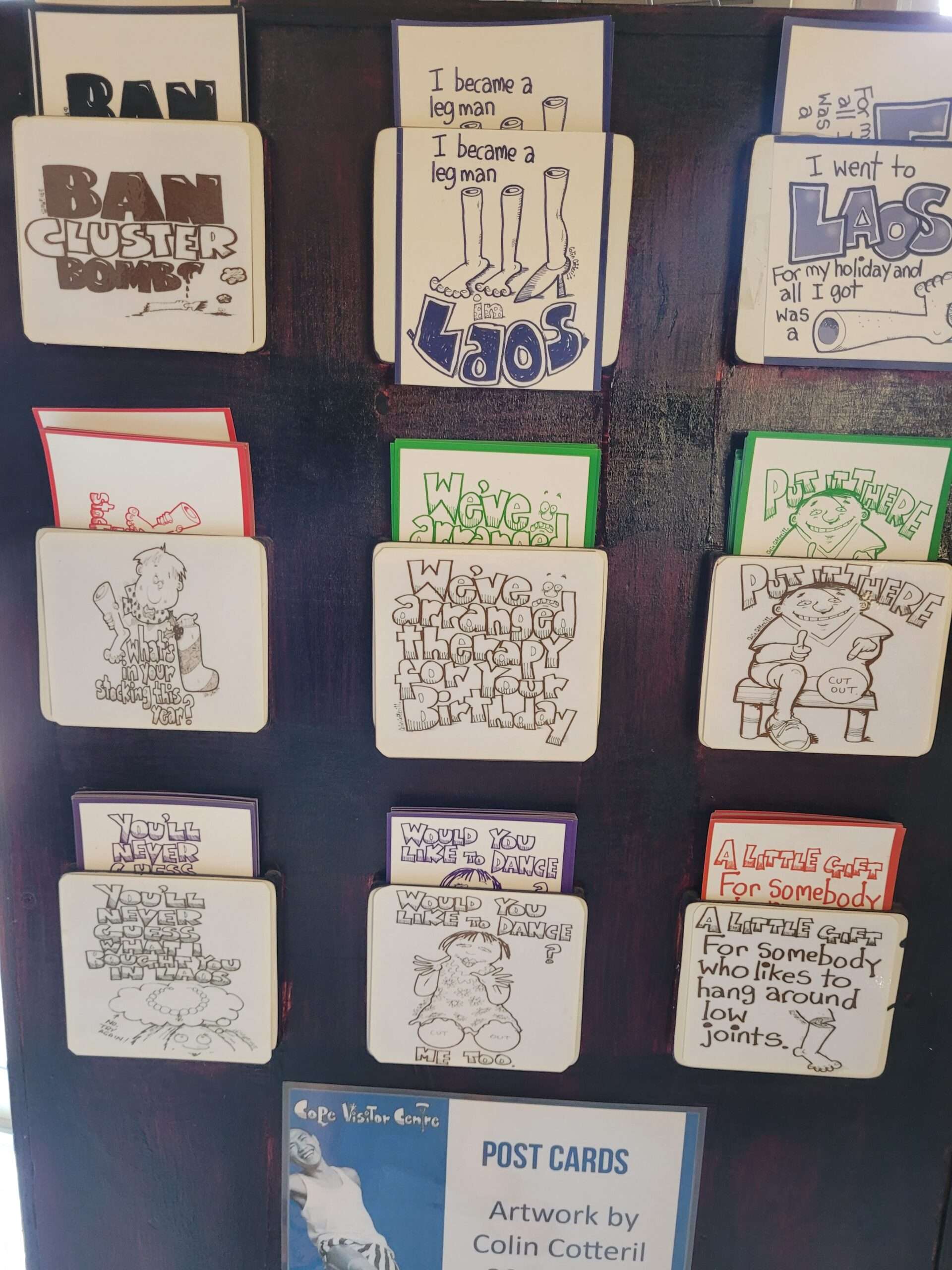
Laos holds an explosive secret: it’s the world’s most heavily bombed country per capita. During the Vietnam War, the United States dropped more than 2 million tons of bombs on Laos between 1964 and 1973. Millions of unexploded cluster munitions remain, posing continuing risks to people living and working in affected areas. (National Geographic)
But the people of Laos have found powerful, peaceful ways to reclaim their past.
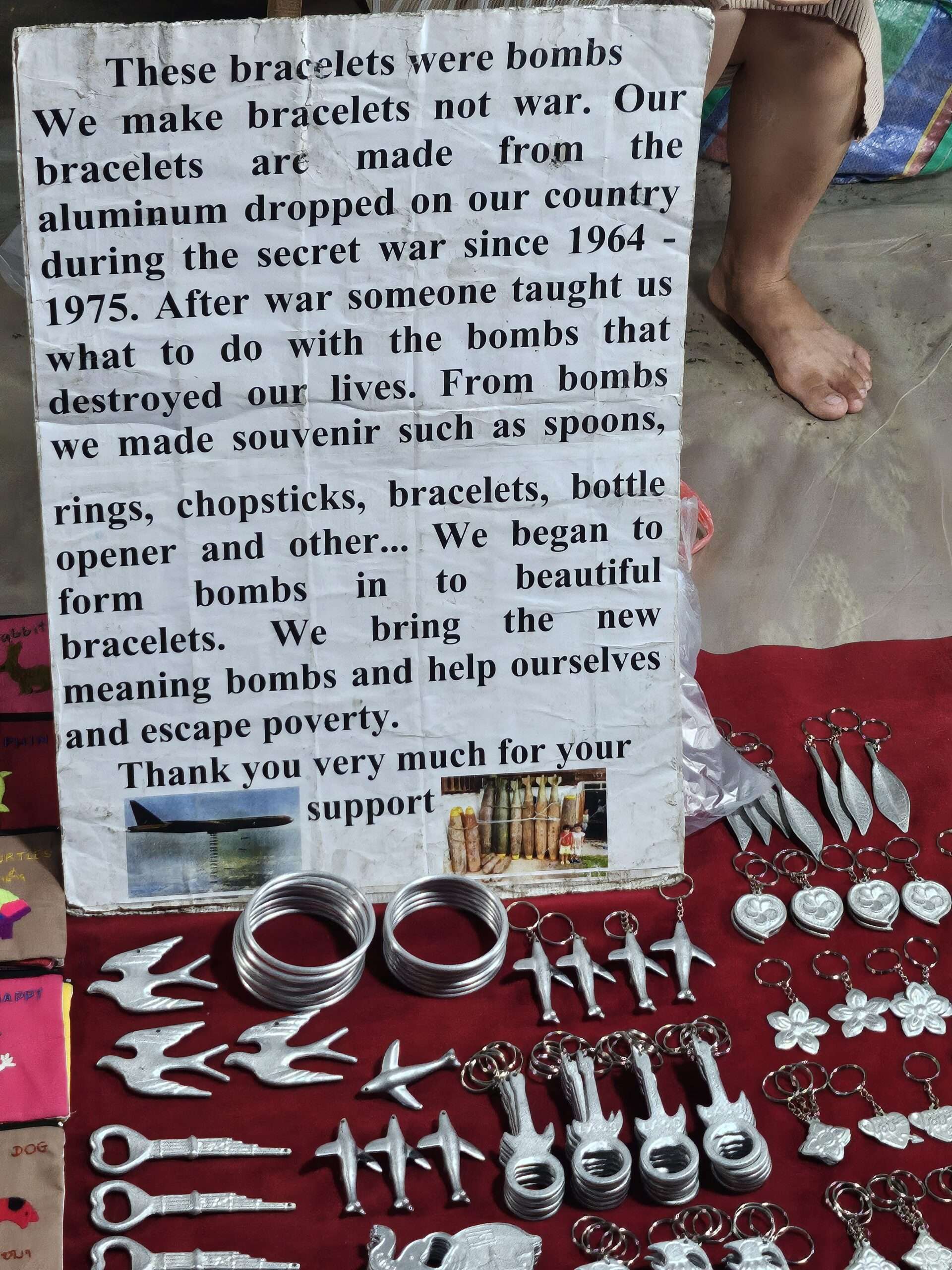
In small rural villages, local artisans are melting down aluminum from old bombs, plane parts, and shrapnel, crafting them into bracelets, spoons, bottle openers, and jewelry.
These unique souvenirs are more than keepsakes—they’re symbols of resilience and hope, helping families earn income in communities where job opportunities are scarce. The practice of turning war remnants into useful objects has become one striking example of how communities have found ways to transform the remnants of conflict. (National Geographic)
A Journey Through Contrasts
My time in Laos was a love affair with flavors, traditions, and the warmth of its people.
But as the whispers of adventure beckoned, I knew it was time to spread my wings and explore more of the enchanting tapestry that Asia had to offer.
The journey continued, fueled by the memories of Laos’ culinary delights and cultural wonders.
Buddha Park: A Surreal Final Adventure
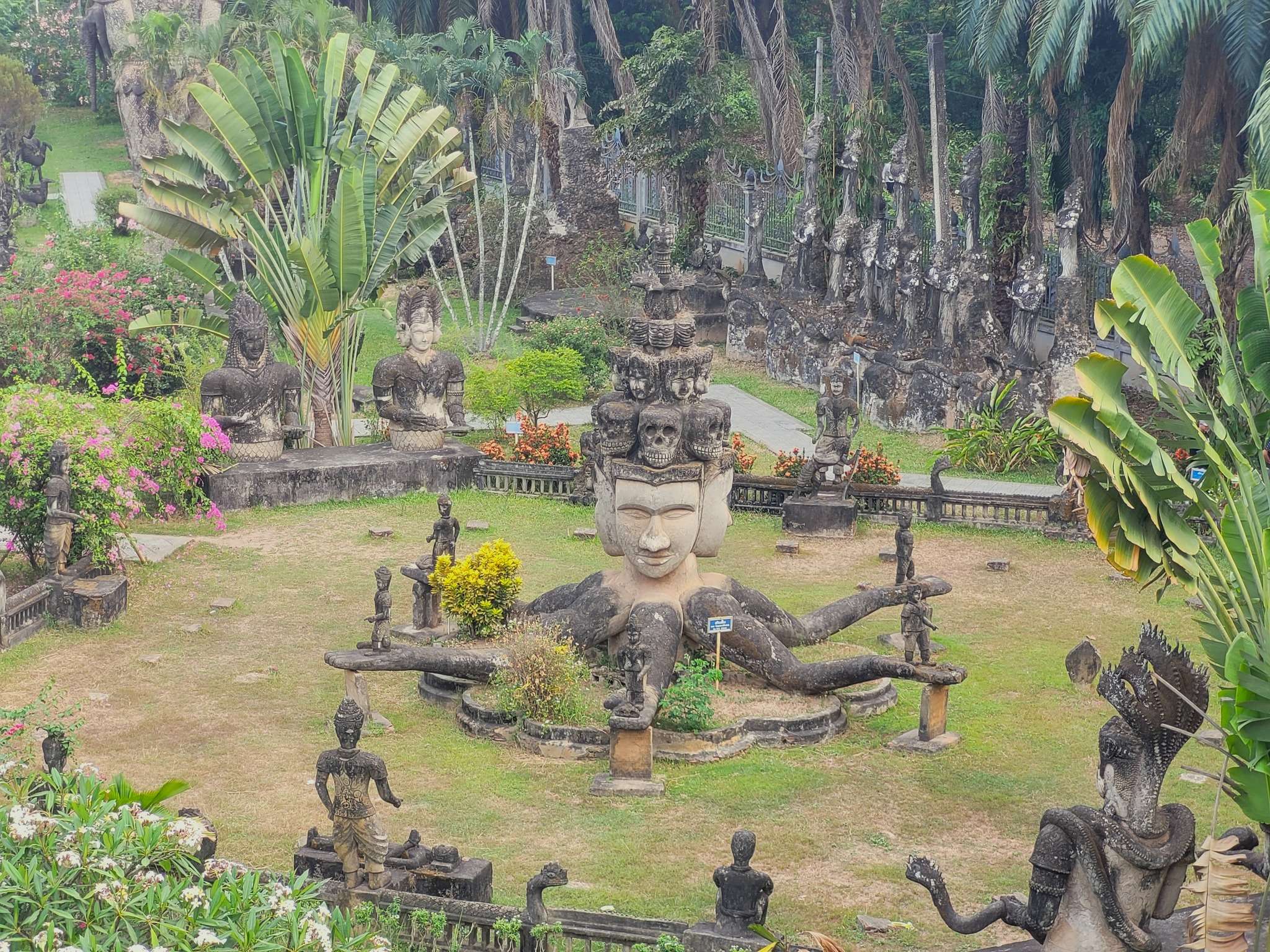
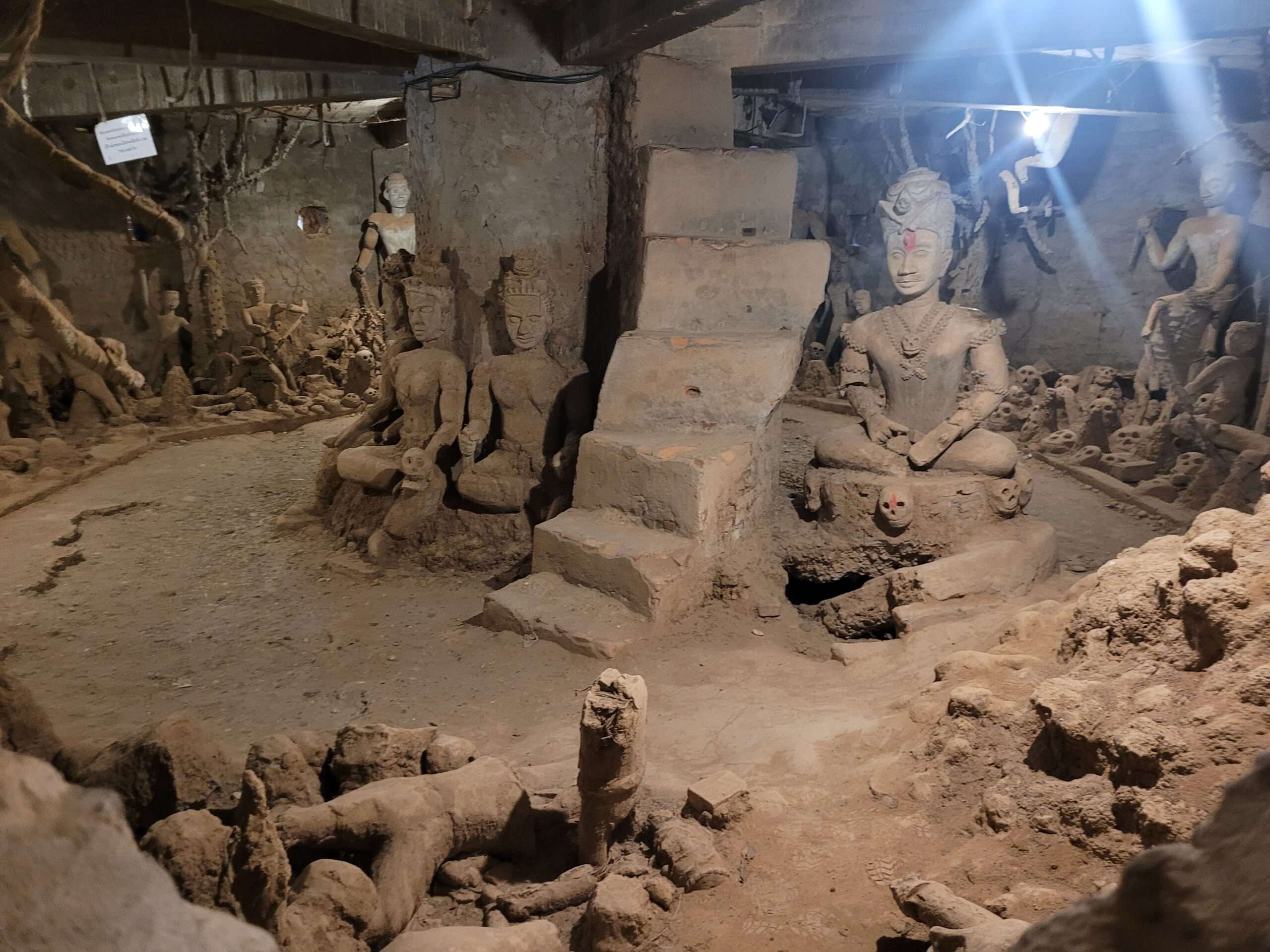
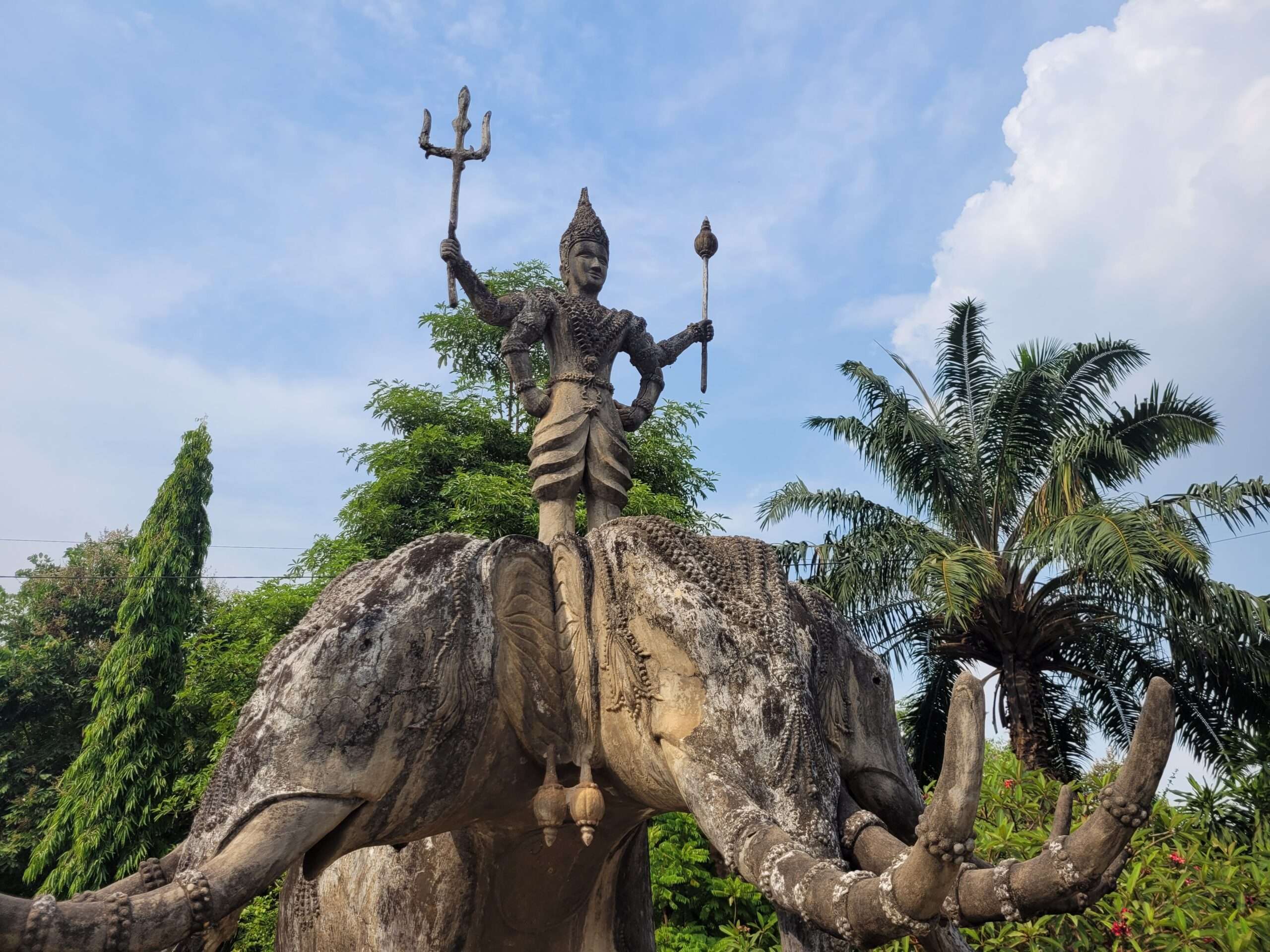
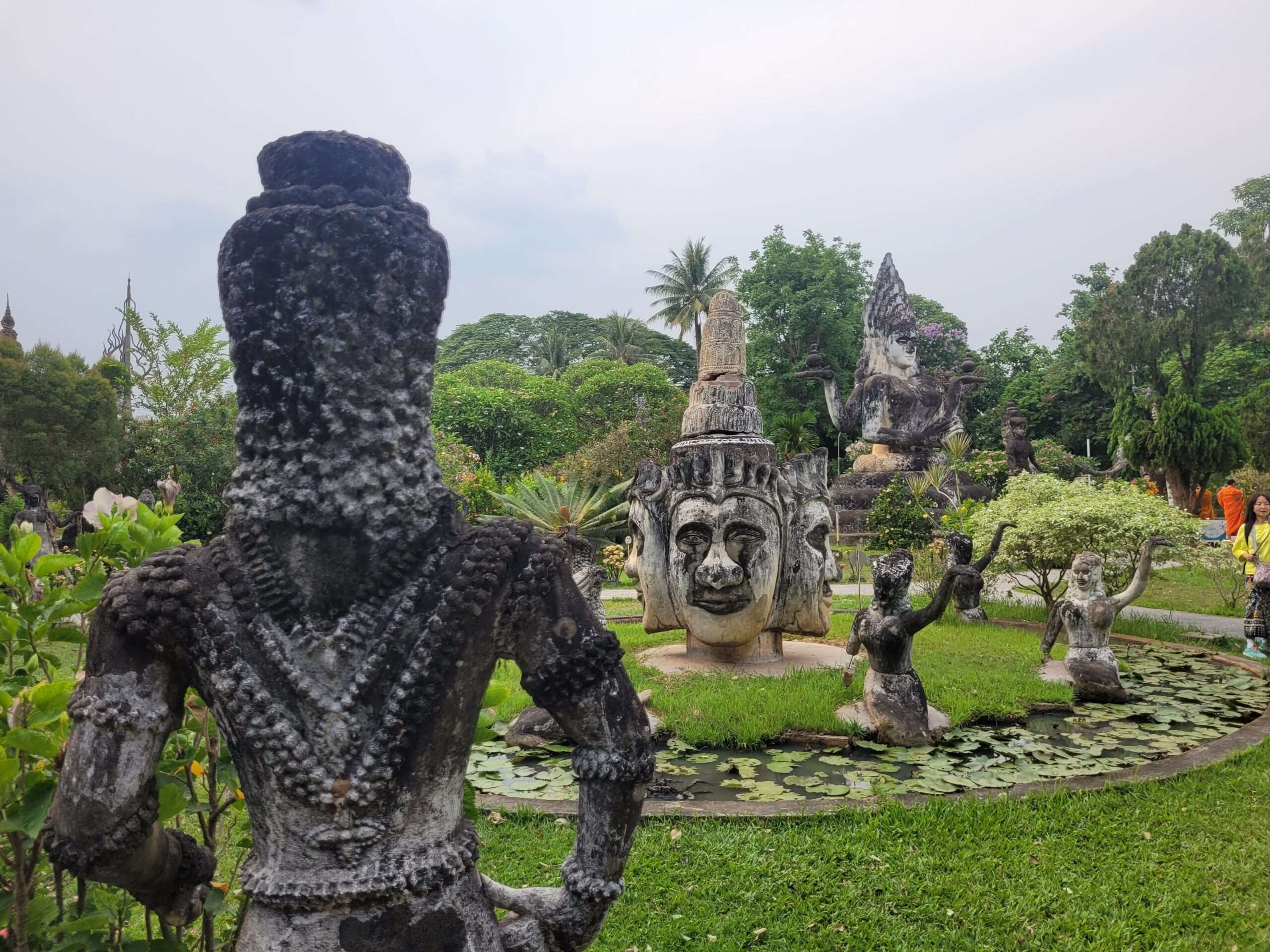
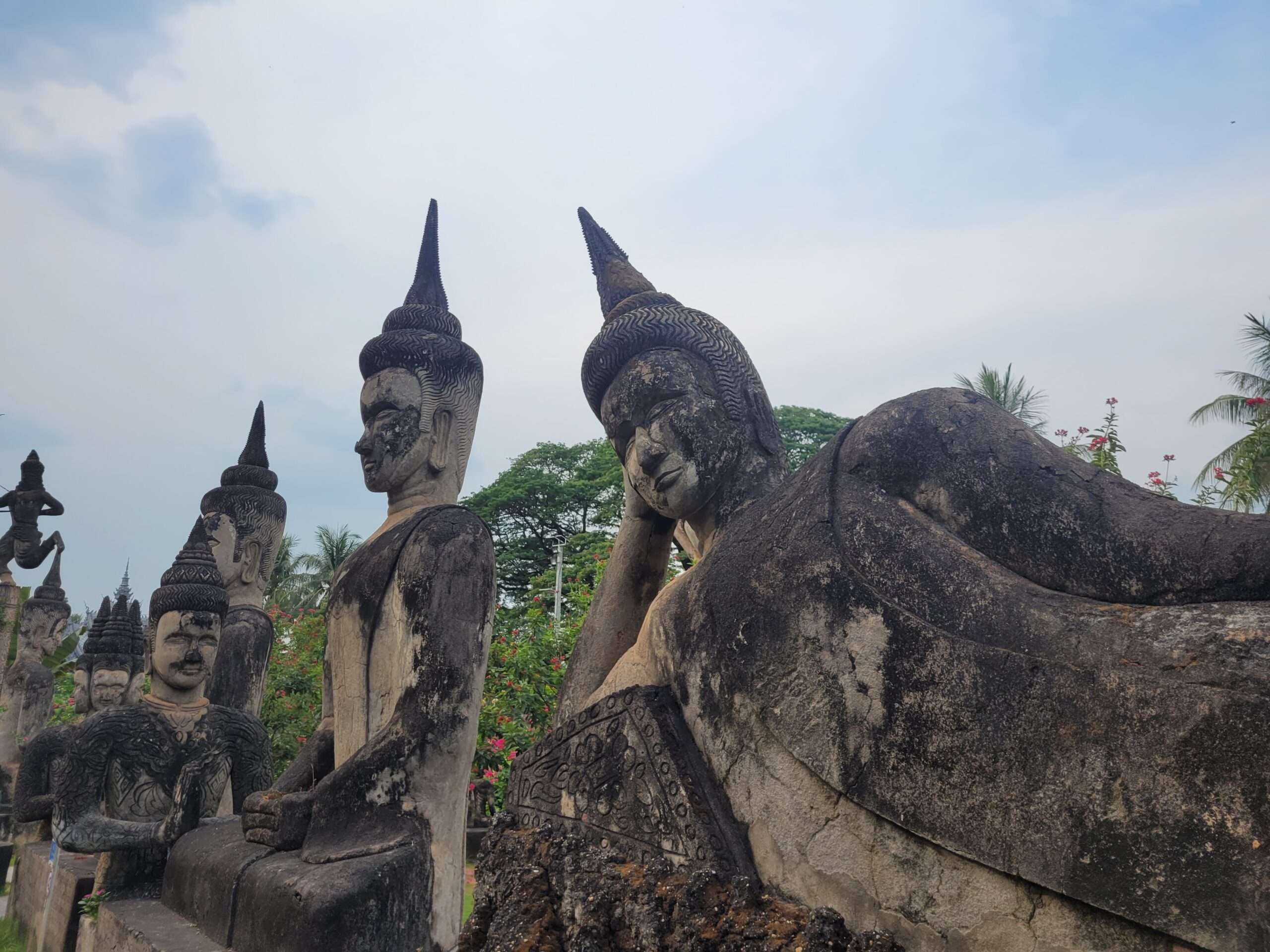
After touring the bomb museum, we visited Buddha Park (Xieng Khuan), just outside the capital city of Vientiane.
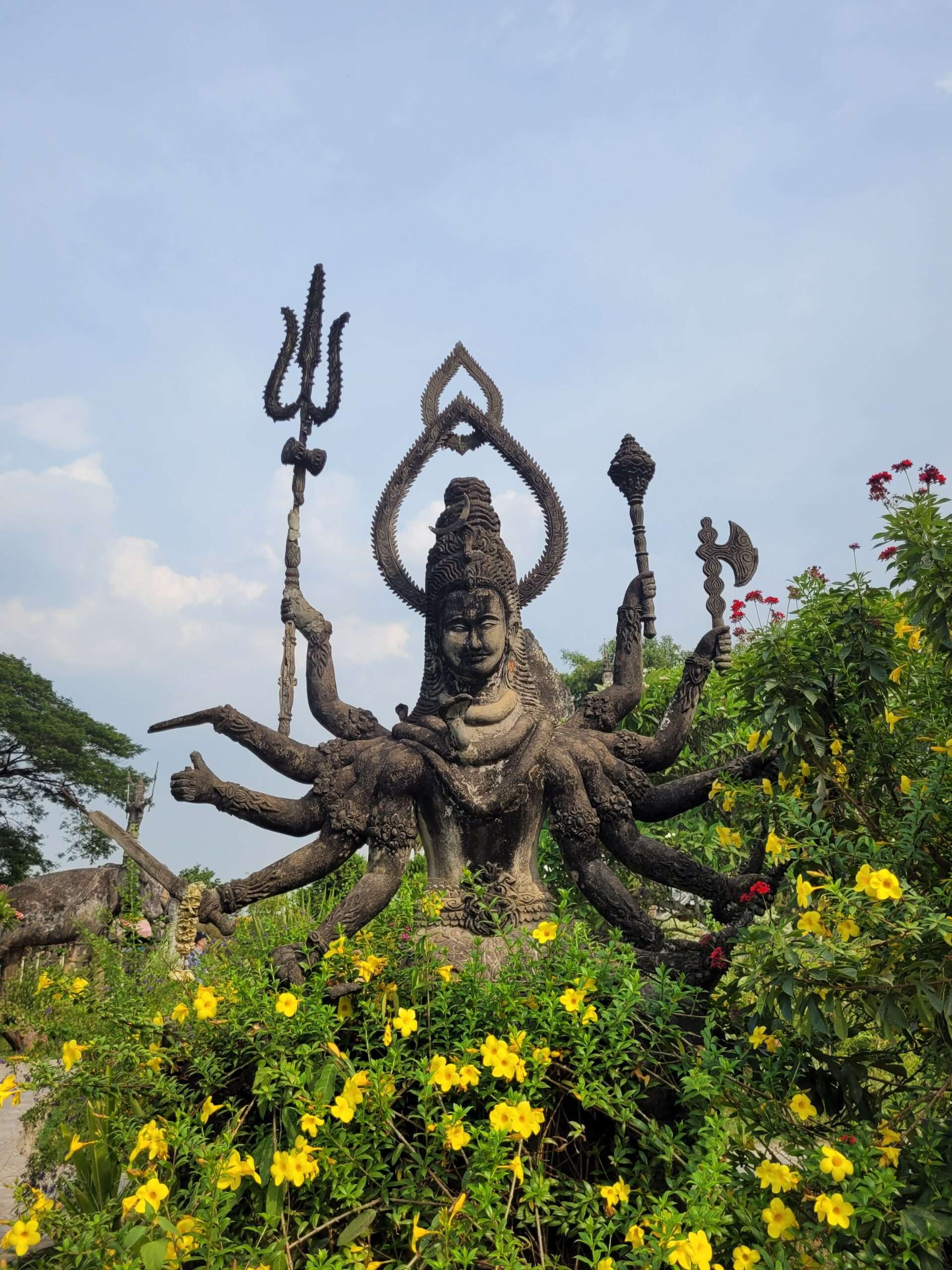
It’s a surreal sculpture garden dotted with massive concrete statues of Hindu and Buddhist deities, demons, and animals—some towering over 40 feet high.
It’s peaceful and bizarre, like stepping into someone’s wild dream of spirituality and mythology.
The park was created by Bunleua Sulilat, and its unusual mixture of Buddhist and Hindu imagery is part of what makes it so fascinating. (Buddha Park)
Where I Stayed:
Lao Poet Hotel
The Lao Poet Hotel became one of my favorite places to stay during my time in Vientiane. Located in the heart of the city, it provided a comfortable retreat while keeping me close to the restaurants, markets, temples, and everyday life I had come to enjoy. Its atmosphere fit nicely with my increasingly relaxed approach to life in Laos. After spending so much time exploring Vientiane, it was nice to have a place where I could slow down and simply enjoy the city around me.